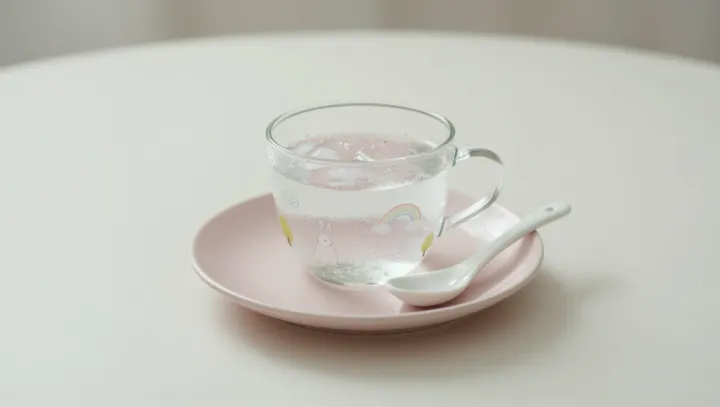
Ice makes soda livelier, not flatter by definition. Drop a cube into lemon lime soda and bubbles can suddenly stream upward, even though colder liquid generally holds more dissolved carbon dioxide. The apparent contradiction is part of the pleasure: the cold slows gas loss, while the ice gives bubbles places to form.
The cube is more than a cooling device. Rough spots, cracks and trapped pockets of air provide nucleation sites, where dissolved carbon dioxide can collect into bubbles instead of forming them from scratch in the liquid. Pouring and stirring also disturb the drink, helping gas escape. Temperature still matters: at a given pressure, carbon dioxide is generally more soluble in cold liquid than in warm liquid. That is the difference. The burst around ice reflects how readily bubbles form; it does not mean the chilled soda can hold less gas.
Simplicity remains a good serving strategy. Pour soda over ice for a cold drink, or add a squeeze of lemon or lime for sharper flavor. A splash of fruit juice offers another route, though a heavy pour can mute the soda's bite. It works in mixtures. Combine it with chilled fruit and herbs, or use it to lengthen a mocktail; add the soda gently and stir lightly if you want to preserve more carbonation. In the glass, a trail of bubbles rises from the ice and disappears at the surface.