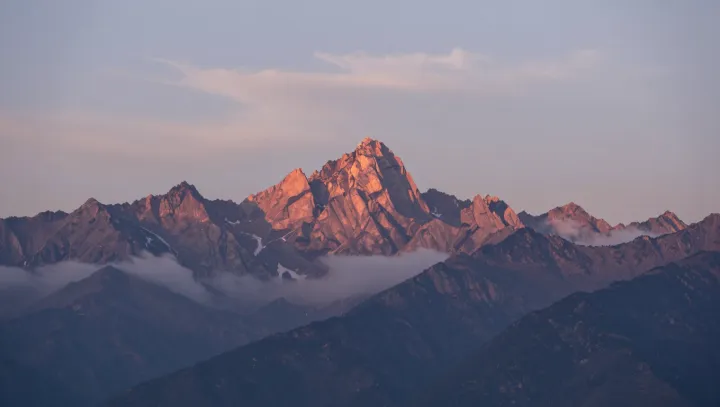
A glacier near the tropics is less a contradiction than a wager on height. Above the clouds, mountain air cools enough for snow to survive from one season to the next, even when valleys far below are warm. But that margin is thin. A modest rise in temperature can tip the balance.
Altitude buys the ice time, not immunity. Air generally cools with elevation, and persistent snowfall can compact into glacier ice where accumulation exceeds ablation, the combined loss from melting, evaporation and other processes. Shaded slopes and snowfall patterns also help determine where ice survives. The accounting is unforgiving. If too much precipitation falls as rain rather than snow, the glacier loses both fresh material and a protective surface that reflects sunlight.
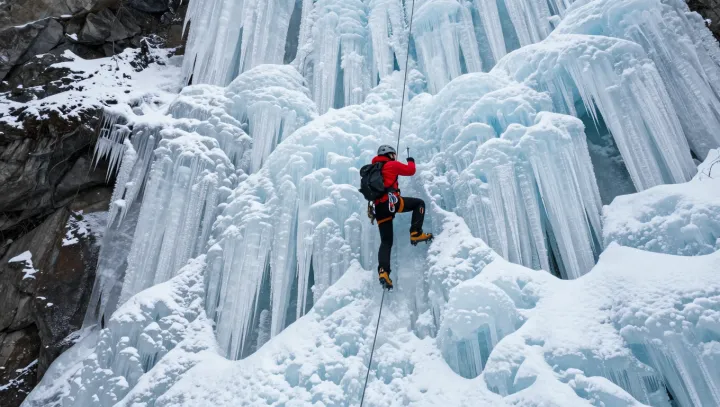
Warming makes that arithmetic harsher. Snow has a high albedo, meaning it reflects much of the incoming sunlight; darker, exposed ice absorbs more energy and melts faster. The freezing level can rise, shrinking the area where snow lasts, while rain and warmer air add to melt. Small glaciers are especially vulnerable because they have limited reserves and little room to retreat uphill. Downstream communities may face changes in seasonal water supply, although the effects depend on rainfall and other local sources. Golden light still catches the peaks; the ice beneath it must reckon with every degree.