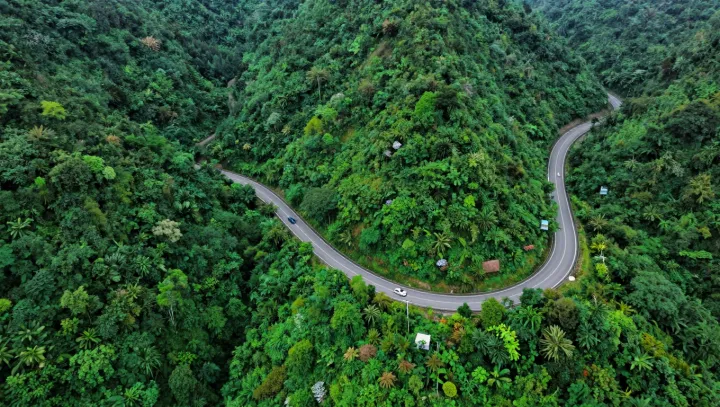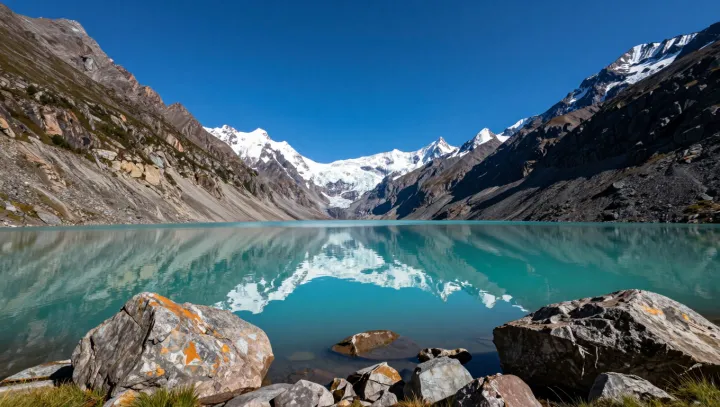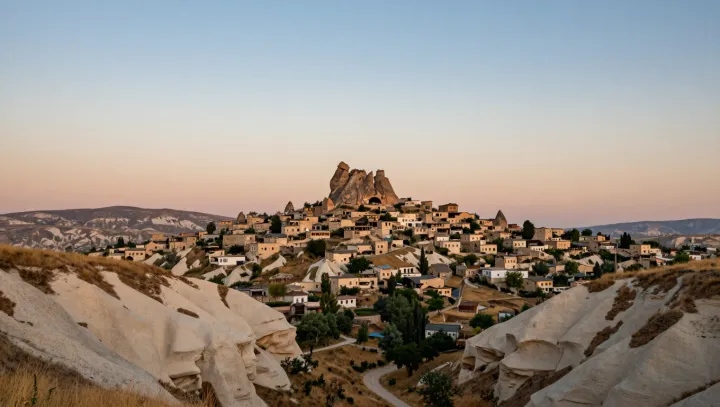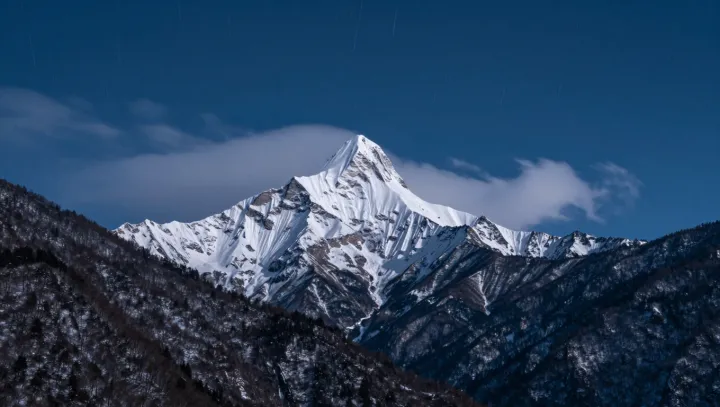
A single mountain range can stage what looks like several climate zones at once: permanent snow on its skyline, palm trees beside a lake, vineyards climbing warm lower slopes. The explanation is not magic but physics. As air rises, it cools at a predictable environmental lapse rate, pushing freezing temperatures higher while leaving valleys relatively mild.
High summits host glaciers and firn because low air pressure and longwave radiation loss keep surface temperatures below the melting point for most of the year. Just a short distance downslope, the same range shelters deep lakes that store heat thanks to their thermal inertia, buffering nearby towns from cold spells and enabling Mediterranean-style vegetation along the shore.
South-facing slopes turn this vertical contrast into an energy gradient. Steep angles maximise solar insolation, soils drain quickly, and temperature inversions can trap colder air in valley bottoms while hillsides stay warmer. Vines exploit this microclimate, achieving reliable sugar accumulation and a distinctive terroir under peaks that still carry white, frozen reservoirs of water.