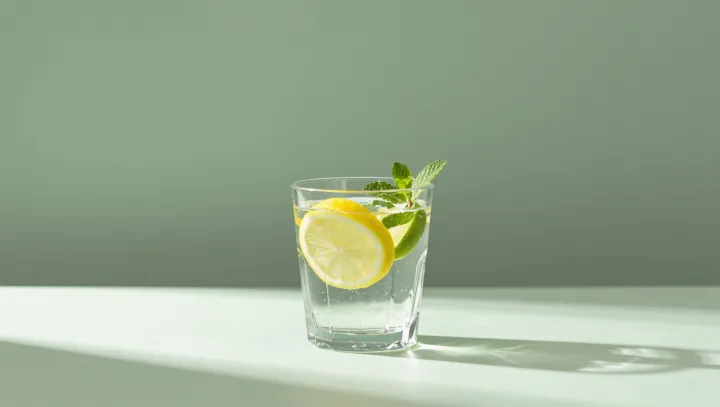
Bubbles in a glass of sparkling water may look trivial, yet that carbonation quietly rewires how the drink moves through the body and how the brain scores it on the refreshment scale. Chemically, it is mostly still water plus dissolved carbon dioxide, but once that gas meets the mouth, stomach and sensory cortex, the experience splits from plain tap water.
Carbon dioxide reacts with carbonic anhydrase on the tongue to form carbonic acid, activating specific chemoreceptors alongside the usual taste buds and thermoreceptors. This extra input sharpens oral sensation and nudges the brain’s reward circuitry, so the same volume of water can feel more vivid and cooling. At the same time, swallowed gas expands in the stomach, altering mechanoreceptor stretch and modulating signals that feed into appetite and satiety pathways along the gut-brain axis. Some studies suggest that this can transiently affect perceived fullness and even short-term energy intake, without meaningfully shifting basal metabolic rate.
The mechanical effect of carbonation also changes drinking behavior. Effervescence and mild carbonic acid bite slow gulping speed for many people while increasing momentary arousal in the trigeminal nerve, which handles sensations like fizz and burn. That combination of altered flow rate, gastric distension and enhanced sensory contrast helps explain why a drink that is, on paper, almost identical to still water can feel more quenching, more present and, for many, worth seeking out.