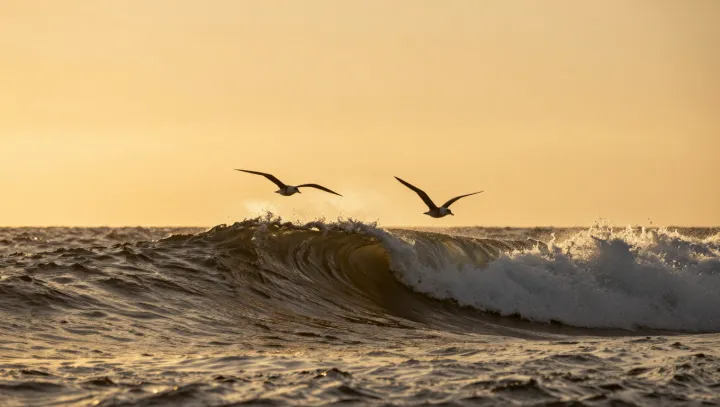
Feathers, not machines, dictated the script for this aerial experiment. To place a camera in the migration column without chaos, filmmakers borrowed a classic tool from ethology: imprinting. Goose chicks hatched in incubators saw the pilot, the ground crew and the skeletal glider as their reference objects, a mobile substitute for a parent that they would follow by instinct in the air.
This was not simple stunt work. Imprinted birds first walked behind the rolling aircraft, then trotted, then lifted into short hops while engine noise, wing shape and propeller wash stayed constant, a controlled exposure that functioned like gradual desensitization in clinical behavior science. Aerodynamic constraints shaped every shot; the glider flew at stall‑edge speed, with a high‑lift wing and minimal vortices so its wake did not disrupt their induced drag balance or break the flock’s formation geometry.
The real gamble lay in trust, not technology. Once the geese accepted the glider as a flock member, they slid into stable V positions beside the wingtip, close enough for wide‑angle lenses to frame eyes, feathers and horizon while heart rate and flight pattern remained normal under veterinary monitoring. What viewers saw as effortless poetry was, underneath, a carefully engineered merger of imprinting protocol and low‑impact aeronautical design.