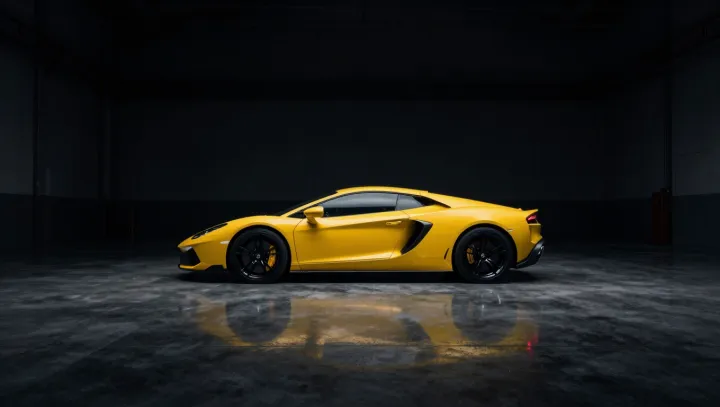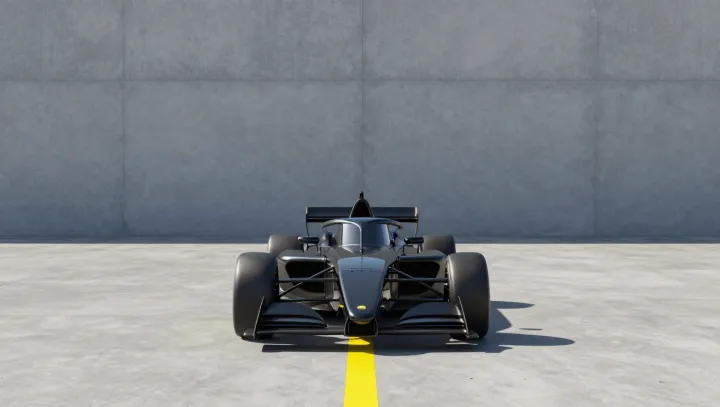
More energy, not more horsepower, would quietly run the show. An electric‑hybrid concept car allowed to harvest and deploy beyond current limits turns each lap into an optimization puzzle in which state of charge, battery temperature and tire degradation matter more than peak combustion output.
The first casualty is the old fuel‑flow mindset. Teams would stretch braking zones and alter corner entry speeds to maximize regenerative braking, exploiting kinetic energy recovery systems so aggressively that traditional engine maps become secondary parameters inside a far larger control problem governed by thermal efficiency and charge acceptance curves.
Race strategy then shifts from stint length to energy budget. Instead of asking when to pit, engineers ask where along the circuit to run maximum electric torque and where to coast, using model predictive control to decide whether to spend stored energy on overtakes, on defending, or on protecting tire carcass temperatures over a long run.
The real contest moves from dyno to algorithm. Pit walls would run layered control software that treats each lap like a rolling mixed‑integer optimization, updating in real time to traffic, safety car risk and battery impedance drift, while drivers execute pre‑planned deployment modes rather than purely mechanical engine settings.
Power unit suppliers lose some of their aura as software groups gain it. With more legal harvesting available, hardware differences compress and the competitive moat comes from proprietary energy‑usage models, sensor fusion and calibration of inverter switching, turning strategy meetings into code reviews as much as race briefings.