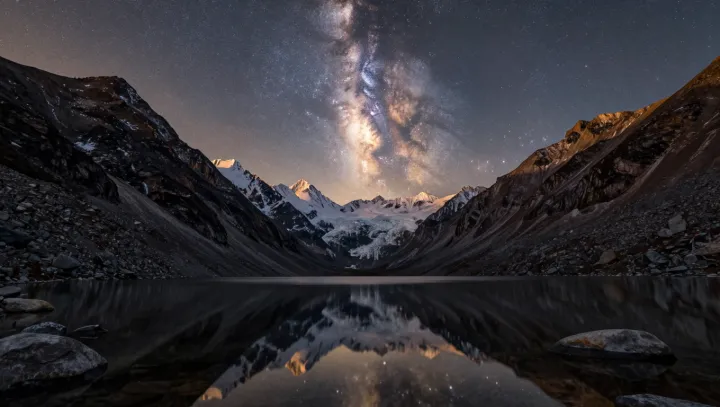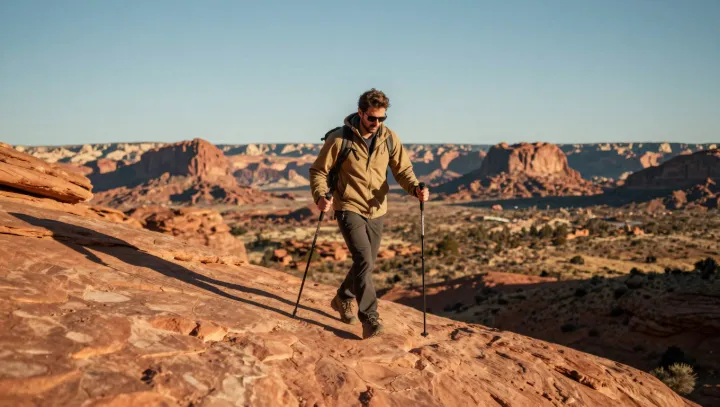
Those last gentle-looking steps are a lie. Near the summit, accident curves bend sharply upward even as the slope appears to relax, a mismatch that exposes how badly the human brain misreads risk when air thins and effort accumulates.
True courage sits in refusal, not in one more step. As altitude strips oxygen, cerebral hypoxia and impaired executive function quietly erode the prefrontal cortex, the region that should veto impulsive pushes, while dopamine rewards the idea of “topping out” and drowns out caution. Fatigue stacks on top of this, reducing proprioception and slowing reaction time, so a hiker who has moved well for hours now places feet a little less precisely and responds a little less quickly to a slipping rock or a sudden gust. The terrain may technically ease, yet the combined load on balance, attention and decision-making spikes right where photos and glory beckon most loudly.
So the bravest hiker is the one who looks strong, feels close, and still stops to reassess. That pause forces a primitive reward system to answer to risk assessment, oxygen saturation and remaining daylight rather than to ego. Slowing down near the top is not timidity; it is a quiet revolt against a brain that, at altitude and under strain, has become the least reliable guide on the mountain.