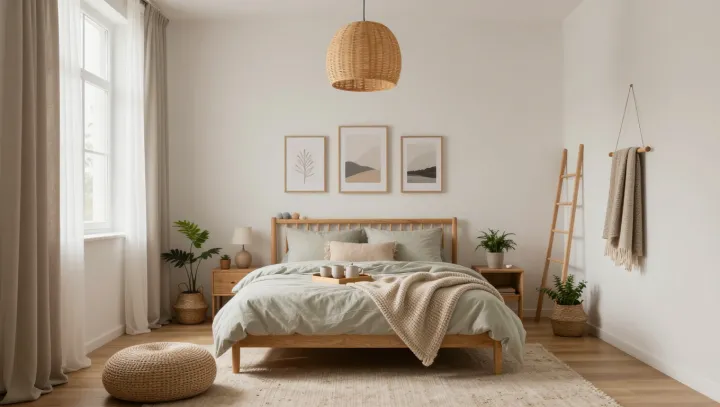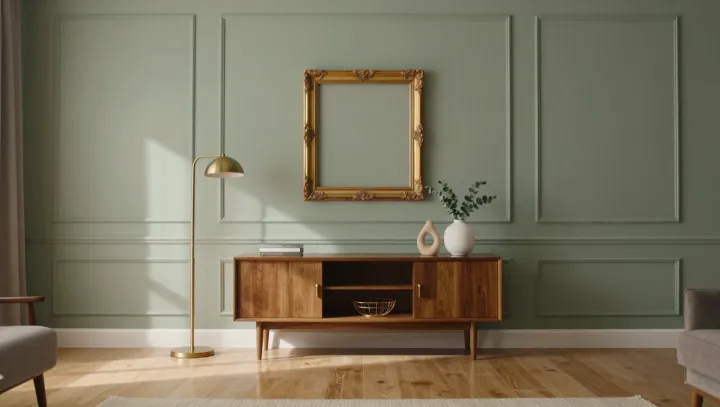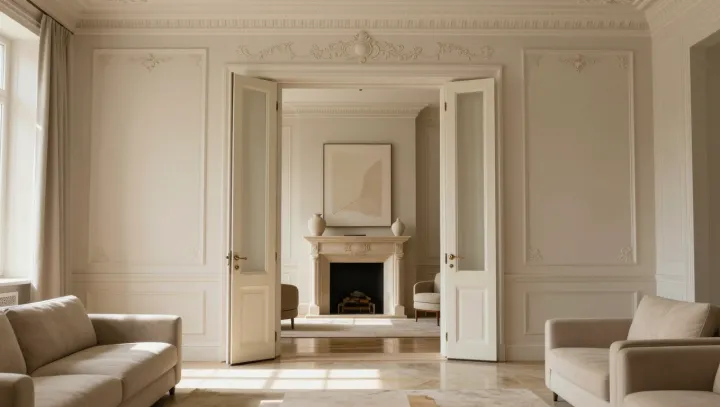
Bare walls work harder than ornate ones. In stripped‑back corridors, the brain runs fewer background checks on pattern, color, and motion, shrinking what cognitive scientists call extraneous load. Every painting, sconce, and molding becomes another item for visual cortex and working memory to sample, tag, and suppress, even when you swear you are not looking.
The claim sounds aesthetic, but it is accounting. Attention is a finite resource, and visual search, saccadic planning, and object recognition all draw from the same metabolic budget as reading a chart or rehearsing a difficult conversation. Remove competing stimuli and you reduce the frequency of involuntary orienting responses, the tiny orienting reflexes that yank neural processing away from the task and toward that glint of brass or burst of pattern at the edge of the frame.
So a quiet hallway behaves like a browser with one tab open. Fewer icons, fewer alerts, less context switching, less prefrontal interference. Ornate space keeps you performing for the room, co‑processing status signals, style codes, and social expectations embedded in every surface. Minimal space suspends that performance, letting autonomic arousal drop and default mode network activity rise just enough for the room to stop being audience and start being shelter.