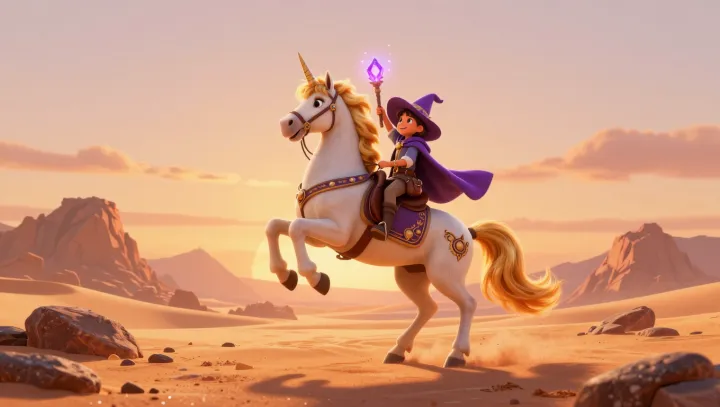
A missing animal may be the most powerful creature in ancient bestiaries. Across distant cultures, horned healers appear on seals, scrolls, and tapestries despite no fossil or skeleton that fits the script: a single forehead spike on a horse body.
The blunt answer is that biology gave people all the raw parts, just never in one body. Rhinoceroses supplied keratin horns, deer and antelope offered antlers and elegant silhouettes, and horses delivered speed and status. Trade in prized horn, from narwhals or wild bovids, then inflated belief in pharmacological magic, long before pharmacokinetics or immunology had names.
More revealing is how the human brain cheats. Cognitive scientists argue that so called minimally counterintuitive concepts stick best: mostly familiar, with one sharp violation. A horse is ordinary. A healing horse with a single horn that detects poison occupies a sweet spot in memory architecture, much like a viral meme in information theory.
Religion and politics did the rest. A singular horn signaled singular authority; one point, one source of purity. Artists stabilized the image, aligning it with virginity, sacred springs, and royal insignia. No wonder the fossil record is silent. The creature existed as an optimized data compression of fear, hope, and pharmacology, not as bone.