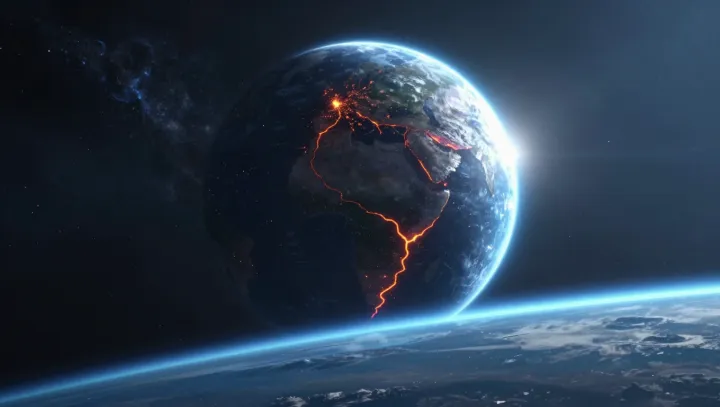
Earth's violence has a quieter consequence: it helps keep the planet habitable. The same moving plates that unleash earthquakes and feed volcanoes also participate in a vast carbon cycle, linking the atmosphere to rocks and the deep interior. It is a bargain, not a guarantee.
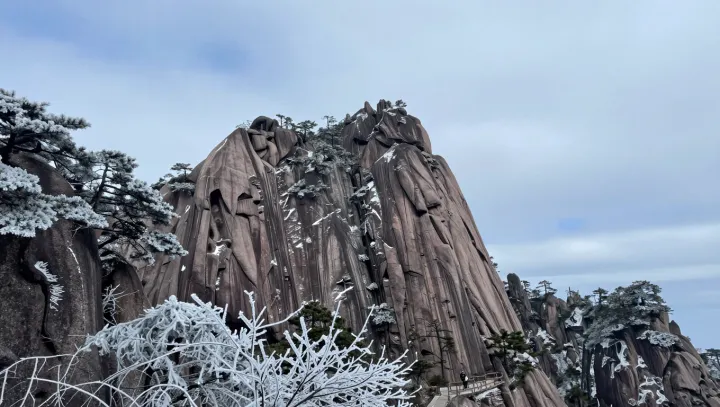
The planet's thermostat works slowly. When carbon dioxide dissolves in rainwater, it forms a weak acid that reacts with silicate rocks in a process called weathering. Rivers carry the resulting dissolved material to the oceans, where carbon can become locked in carbonate minerals and sediments. Warmer, wetter conditions generally speed up weathering, drawing down more carbon dioxide and tending to cool the climate. Colder conditions tend to slow that removal. Mountains raised by colliding plates expose fresh rock to this chemical work, although the strength of their effect varies.
Burial is only half the story. At subduction zones, one plate sinks beneath another, carrying some carbon-bearing material into the mantle; volcanoes return some carbon dioxide to the atmosphere. Without such replenishment, prolonged weathering could leave too little of the gas to maintain a temperate climate. The balance is neither exact nor benign: volcanic emissions and shifts in weathering can also contribute to climate upheaval, while earthquakes remain lethal. Other worlds might sustain habitable conditions through different mechanisms, and the details of Earth's ancient carbon cycle are still debated. On this planet, the fractures that threaten life are part of the machinery that has helped it endure.