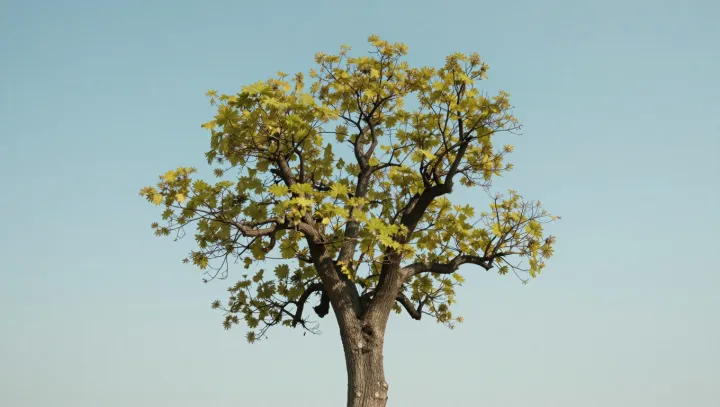
An old tree is not easily replaced. Beneath its broad crown lies an accumulation of ecological work that a sapling cannot reproduce simply by being planted in the same spot. The difference is time: roots, branches and living spaces develop slowly, while the benefits they provide can disappear with a single cut.
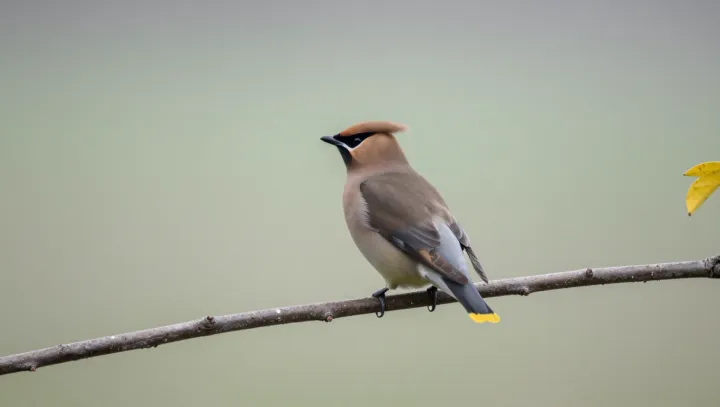
The tree is more than shelter. Its cavities, crevices and dead branches can house birds, insects and fungi, forming a network of habitats that younger trees often lack. Its trunk and roots also hold carbon accumulated through photosynthesis. When a tree is removed, some of that stored carbon can return to the atmosphere as wood decays or is burned; a replacement must grow before it can store a comparable amount.
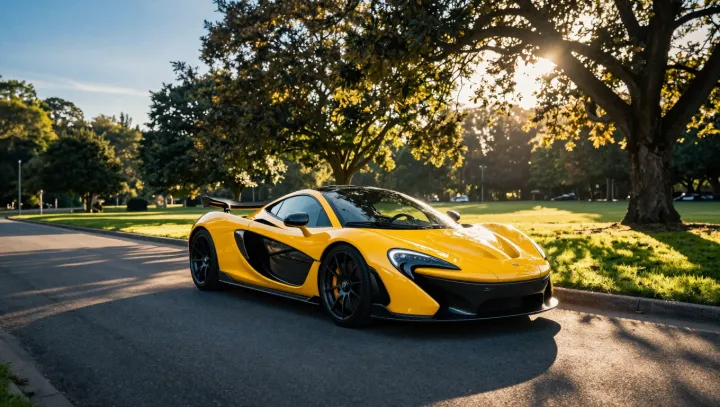
Shade is an asset, not an ornament. A broad canopy intercepts sunlight, while evapotranspiration cools the surrounding air as water moves from leaves into the atmosphere. A sapling offers much less cover, leaving soil, buildings and people more exposed to heat. Planting still matters, especially where trees have already been lost, but survival is not guaranteed and growth depends on species, water, soil and care. Protecting an established tree preserves benefits already at work, provided its condition and surroundings allow it to remain safely in place. Under its branches, the shade belongs to time as much as to the tree.