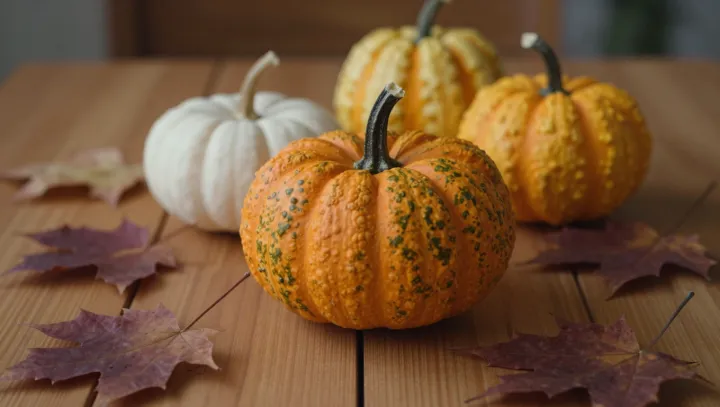
A pumpkin can be closer kin to a zucchini than to another pumpkin, however much their skins suggest otherwise. Appearances deceive here. The reason lies in a distinction easily missed among the mottled gourds of an autumn harvest: pumpkin is a culinary and cultural label, not the name of a single botanical species.
The family tree tells a less tidy story than the market stall. Zucchini and many familiar carving pumpkins belong to the species Cucurbita pepo, while some giant pumpkins belong to Cucurbita maxima. Members of the same species share a more recent common ancestor with one another than with members of the other species. That relationship persists even when one fruit is long and green and another round and orange. Names can obscure ancestry. The word squash, too, covers fruits from several species, rather than one neat branch of the family.
Such variety is no accident. Over generations of domestication and selective breeding, growers favored traits such as size, shape, color, flavor and storage life, producing distinct cultivars within the same species. Genetics matters more than resemblance: visible traits reflect only part of an organism's inheritance, and substantial differences in appearance do not necessarily mean distant ancestry. For gardeners saving seed, species identity can also matter because varieties within a species can cross-pollinate, although the results appear in the next generation rather than changing the fruit already growing. On a crowded harvest table, a mottled rind makes a fine introduction but a poor family record.