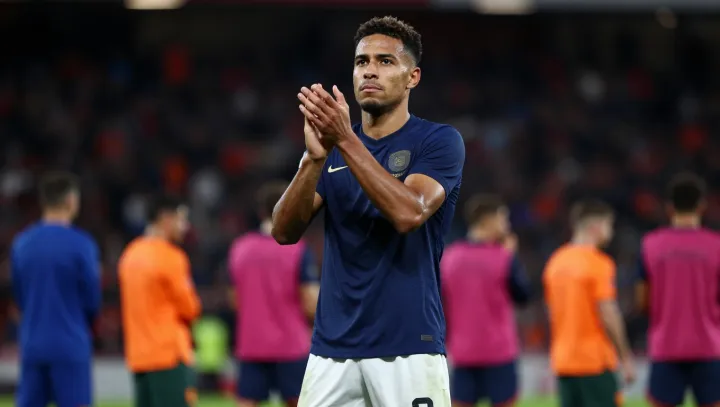
A second World Cup final was not enough to keep Raphael Varane in the France team. The defender retired from international football at 29, weeks after reaching the final, because the demands of elite competition had left him physically and mentally exhausted. Achievement had brought no guarantee of rest.
The decision made sense beyond the scoreline. France had beaten Morocco 2-0 in the semifinal before losing the final to Argentina on penalties, with Varane playing through much of the contest. A World Cup winner with France, he left with 93 international appearances. For a center back, the work extends well beyond match day: training, travel, recovery and the constant demands of club and country leave little room to switch off. Varane later described feeling suffocated by a schedule that seemed to run without interruption.
Rest was not the only return he sought. Varane said he wanted more time with his family, an ordinary ambition made difficult by a career spent moving between club obligations and national-team duty. He did not quit football altogether; he continued playing for Manchester United after leaving France. Nor did his departure erase what came before it. In stepping away while still young by the standards of many defenders, Varane exposed a tension that medals cannot resolve: how much of a life must be spent earning them?