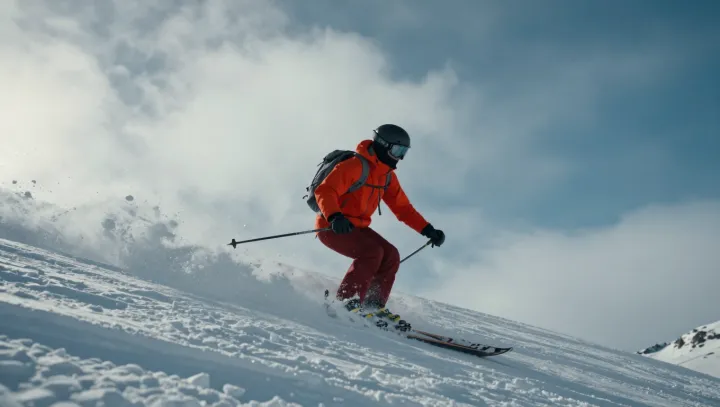
A turn across the slope is a better brake than a desperate lean backward. Direction does the work. As skis move away from the fall line, the steepest route downhill, less of gravity acts along their path; friction and a controlled skid can then shed speed.
Balance, not resistance, gives a skier authority over the descent. Stand with ankles, knees and hips comfortably flexed, keeping weight centered over the feet rather than parked on the heels. Leaning back reduces pressure on the fronts of the skis, making them harder to steer and increasing the risk of losing balance. Gravity does not negotiate. During a turn, edging helps the skis grip the snow, while a measured sideways skid converts some kinetic energy into heat through friction. A clean carved turn, however, may preserve speed rather than slow it, so direction and turn shape matter as much as the edges themselves.
The gentlest terrain offers the best return on practice. Take a beginner lesson, learn to stop, and rehearse linked turns on a slope where there is room to finish each turn across the hill. Start slowly and look where you intend to travel, checking uphill before moving into traffic. Let speed build only as control improves. If a run feels too steep, ask an instructor or ski patrol for help rather than relying on a backward lean. At the end of a well-shaped turn, the skis draw a quiet line across the mountain, and the fall line waits below.