A full stomach is no guarantee of safety for a bird beneath a cat's gaze. Hunger and hunting are related, but they are not the same thing: a flicker of feathers can set a chase in motion even when the cat has just eaten. The bowl stays full.
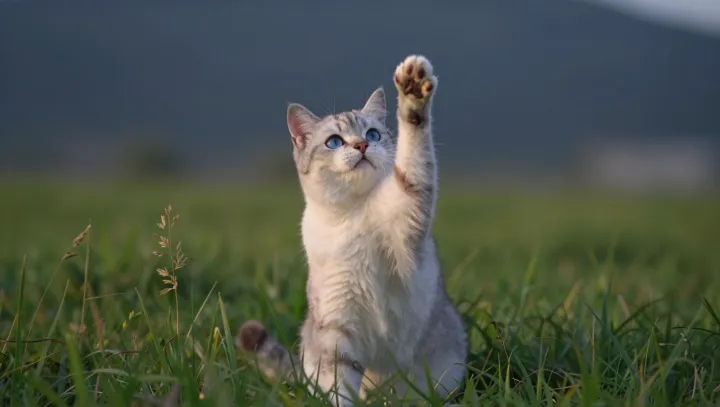
The chase is less a meal plan than an inherited repertoire. Domestic cats retain a predatory sequence that includes orienting, stalking, chasing and pouncing; movement can draw their attention and prompt pursuit without an immediate need for food. Satiety, the state of having eaten enough, can reduce feeding motivation, but it does not necessarily switch off every part of that sequence. Nor does every pursuit end in a kill. Cats vary in their behavior, and a bird's sudden movement can be more enticing than a motionless object, regardless of what is waiting in the food bowl.
That distinction carries a cost for wildlife, and affection for cats need not obscure it. Outdoor cats can kill birds, including when their owners feed them regularly, while individual hunting rates vary. Keeping cats indoors or providing a secure outdoor enclosure can reduce opportunities to catch wildlife; supervised play with a wand toy offers an outlet for stalking and pouncing, though it is no guarantee against hunting. The conflict remains visible in a familiar scene: a cat at the window, fed and motionless, watching a bird that has no reason to trust the distance between them.