
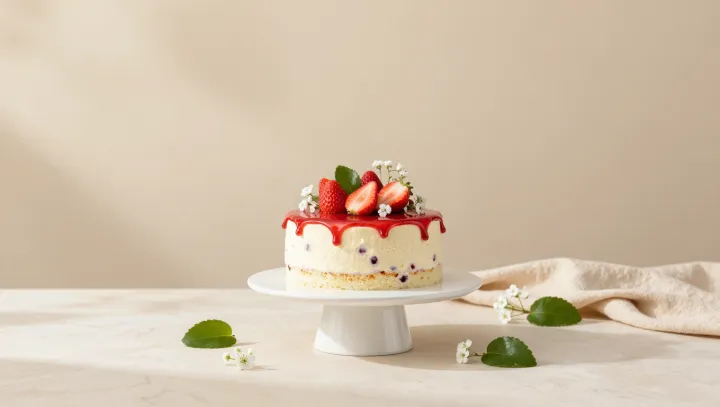
Why a Strawberry Slice Beats Any Menu Copy
Visual cues like fresh strawberries on vanilla cake recruit fast predictive circuits in the brain, creating stronger taste expectations than abstract flavor descriptions on a menu.
2026-09-07
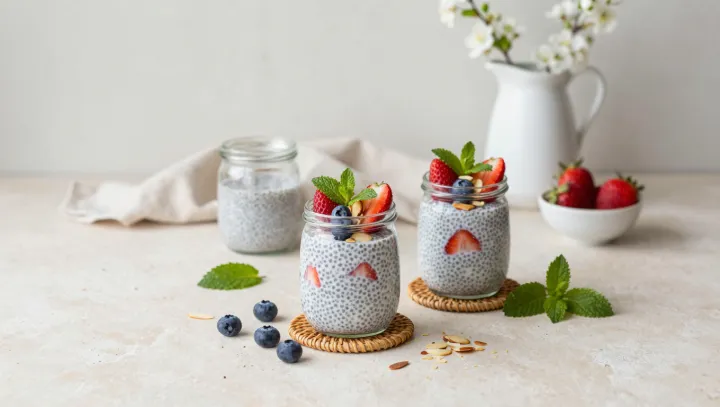
The Parfait That Behaves Like A Meal
A dessert-style parfait with chia seeds, fruit and nuts keeps hunger away by combining slow-gelling fiber, intact fat and protein, and a moderated blood-sugar curve.
2026-09-07
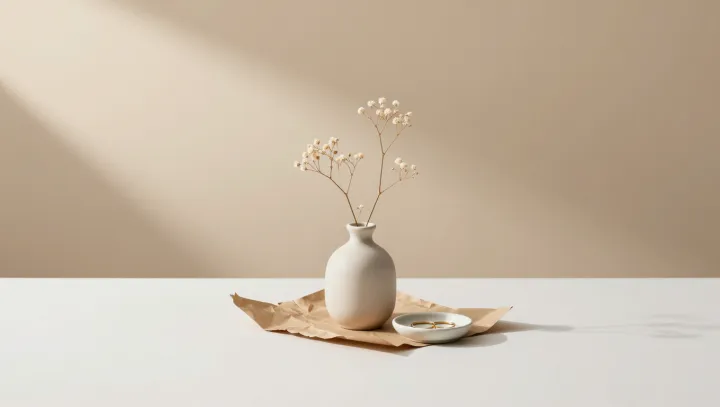
Why rough still-life calms the restless brain
Still-life scenes with dried flowers and simple jewelry reduce neural load and reward glossy-free authenticity, engaging slow visual circuits and autonomic balance more gently than hyper-polished images.
2026-09-07
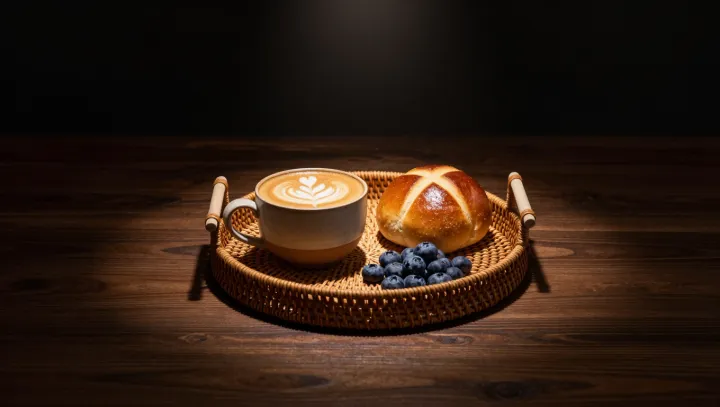
Rethinking the Western Breakfast Hack
A new breakfast pattern suggests pairing fruit and protein before bread and coffee can slow glucose spikes and blunt caffeine jitters, by reshaping digestion and hormone responses.
2026-09-07
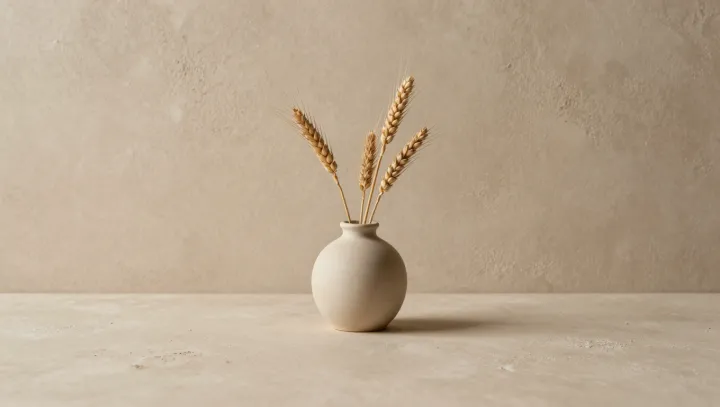
Why dead grass in a vase can look rich
A few dried stems in a plain vase can read as luxury because the visual system equates clean geometry, tonal harmony and generous negative space with control, cost and deliberate design.
2026-09-04
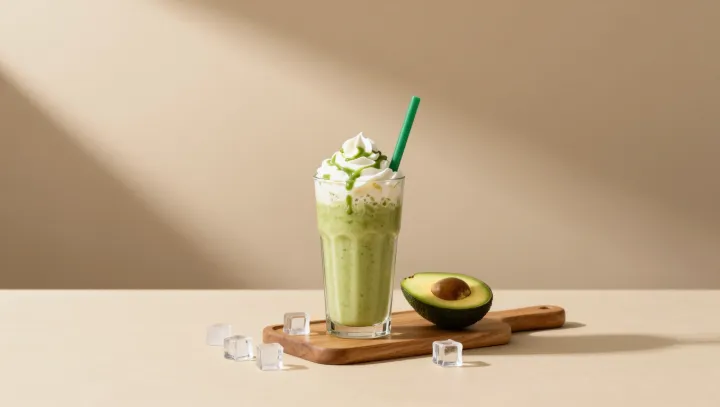
The sugar trap inside a “healthy” avocado shake
Avocado shakes gain a health halo, yet sugary dairy, syrups and toppings can push them past soda in sugar and calories while still looking virtuous.
2026-09-04
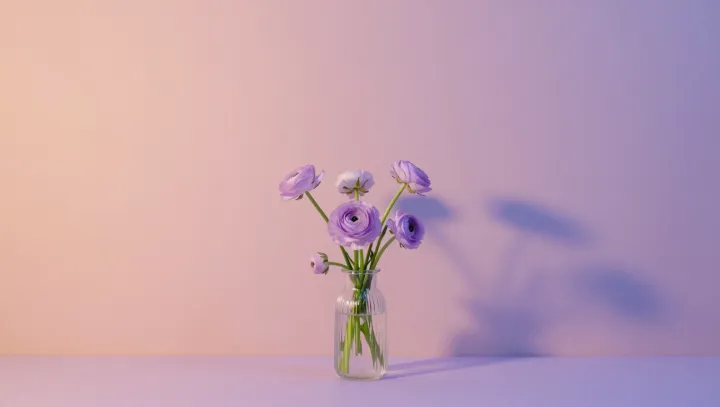
Why Soft Pastels Tame Harsh Midday Sun
Soft pastel walls and pale pink flowers do not weaken midday sunlight; they shift how the visual cortex parses contrast, color temperature and glare, so the same physical light is coded as gentler.
2026-09-04
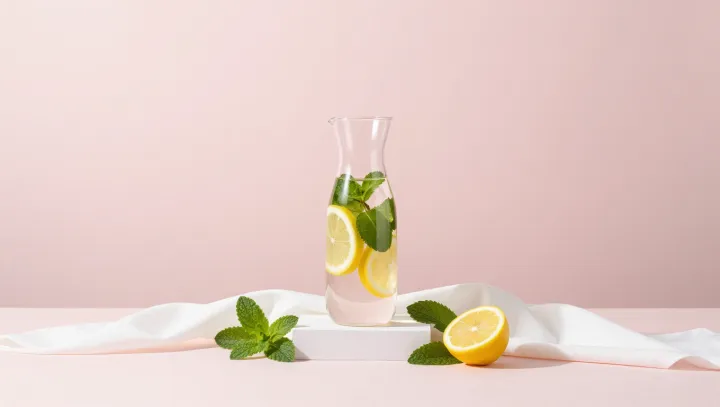
Lemon Water, Same Detox, Different Behavior
Lemon and mint barely change detox biology but strongly change behavior, increasing fluid intake, supporting kidney filtration and overall hydration.
2026-09-04
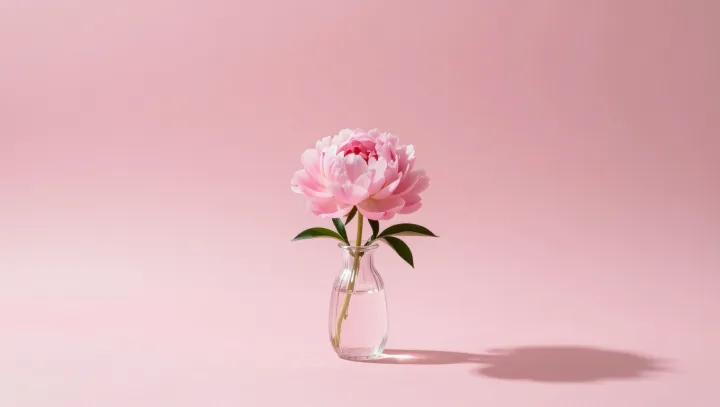
The Quiet Luxury of a Single Pink Peony
A single pink peony in a clear vase can feel richer than an opulent bouquet because visual focus, negative space, and perceptual psychology amplify its presence.
2026-09-02
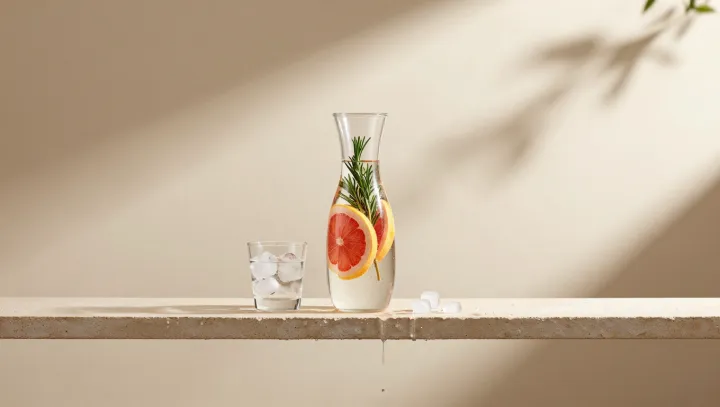
Why Grapefruit Cocktails Fade While You Sip
A grapefruit drink can look aggressively citrusy yet taste lighter over time because melting ice dilutes key bitter compounds and shifts aroma release on the tongue and in the nose.
2026-09-01
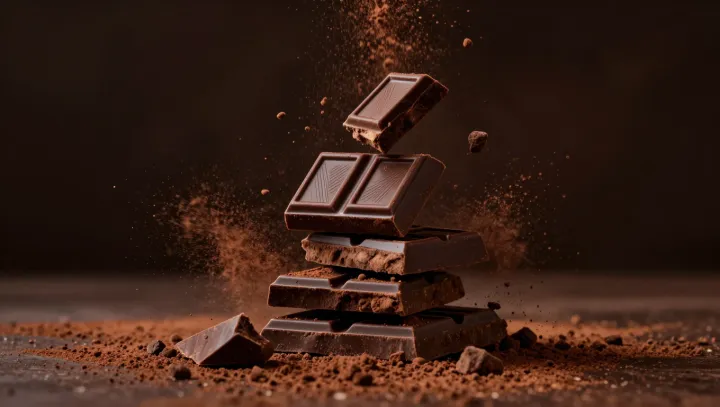
The camera hack that fakes zero‑gravity chocolate
A rotating rig, tight framing, and inertial forces make falling chocolate appear to float, even as Newtonian mechanics stay fully in charge.
2026-09-01
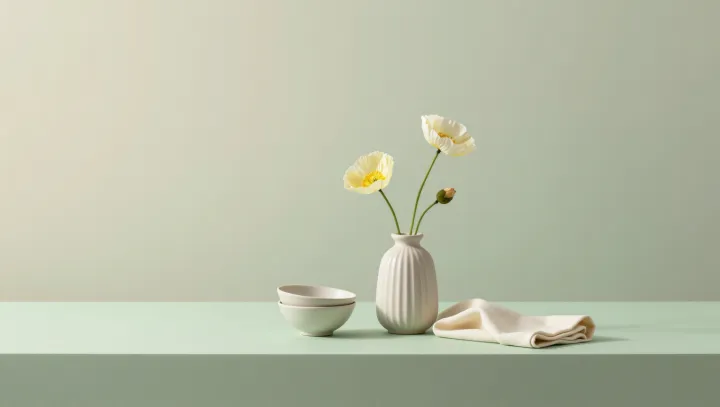
Why Minimalist Stills Feel So Unusually Calm
Minimalist still-life photos feel calm because large negative space reduces visual clutter, easing visual cortex processing and working-memory load.
2026-08-31
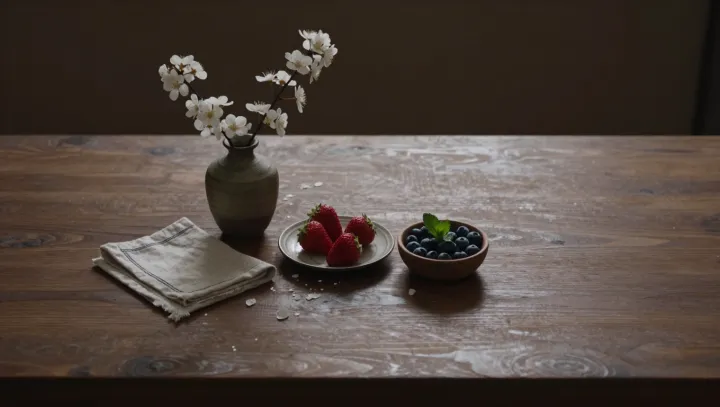
Berries That Quietly Rewire Human Physiology
Strawberries and blueberries, often treated as garnish, contain polyphenols that improve endothelial function and cognitive performance in controlled human trials.
2026-08-31
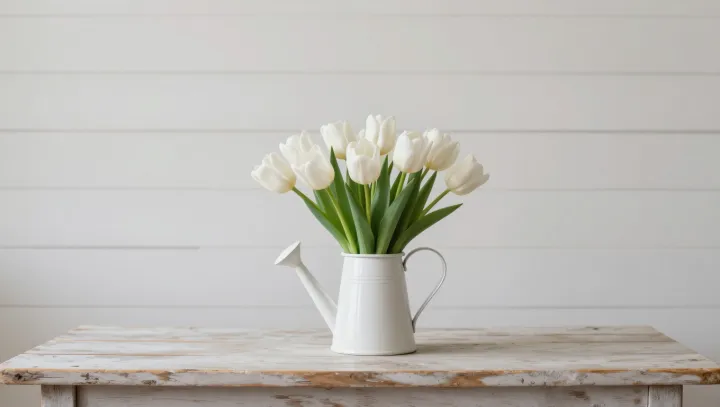
Why White Tulips Look Pure In A White Mug
White tulips in a white mug on a pale wooden table feel purer because the brain edits contrast, texture, and context, not because the light spectrum is objectively more white.
2026-08-31
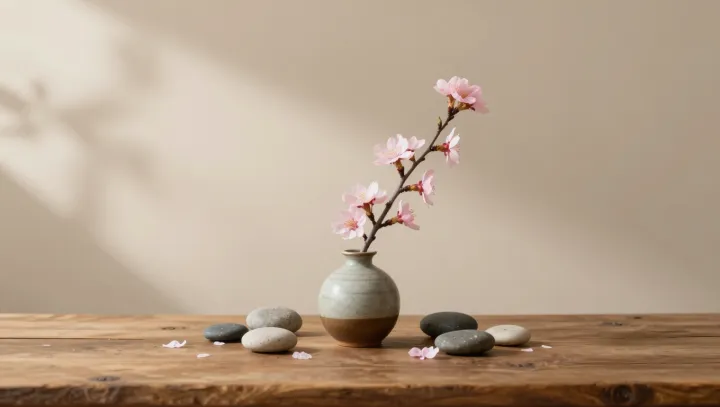
Soft Shadows, Calmer Blossoms
Soft peripheral shadows around a stoneware vase lower visual contrast, reduce cortical load and amygdala alerting, and make vivid pink blossoms register as calmer rather than more dramatic.
2026-08-28
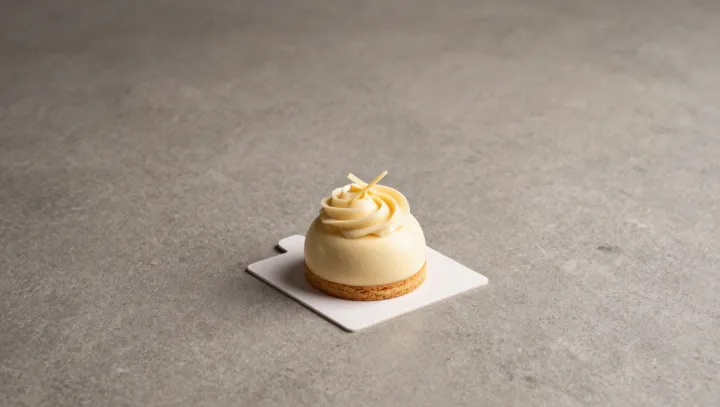
The Physics Hidden In A Single Whipped Rosette
A tiny whipped-cream swirl survives for hours because pastry chefs exploit fat crystallization, phase transitions, and controlled aeration to build a microscopic scaffold around trapped air.
2026-08-28
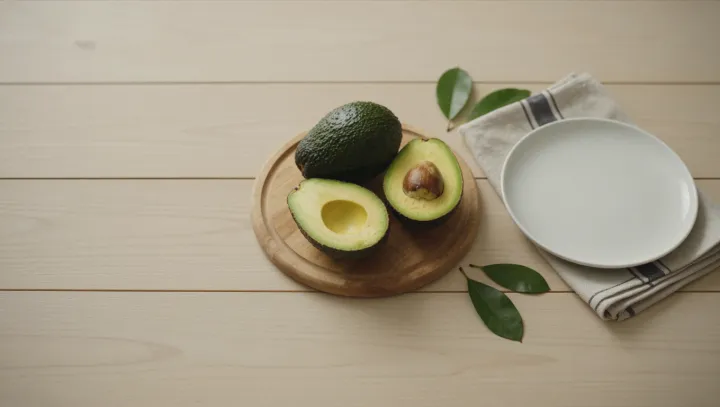
How Avocados Rewired the Taste of Wellness
Once shunned as fatty, avocados rode nutrition science and social media to recast fat as healthy and train palates to seek plant creaminess over dairy.
2026-08-28
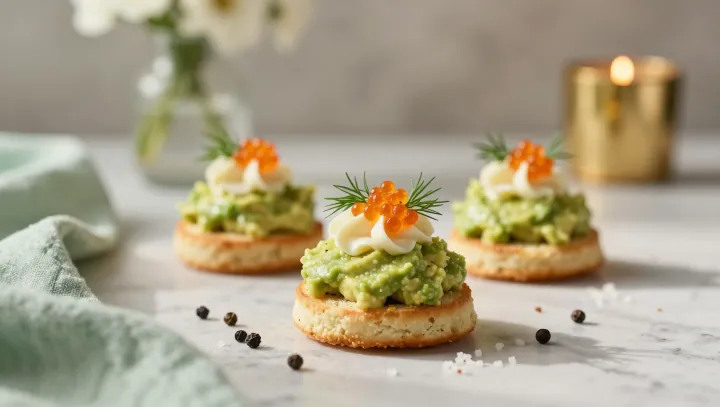
The Tiny Toast That Outsmarts Your Appetite
A single toast round layered with avocado fat, crunchy bread, and umami-rich roe can hack satiety signals, making a tiny portion feel like a lavish, complete meal.
2026-08-28
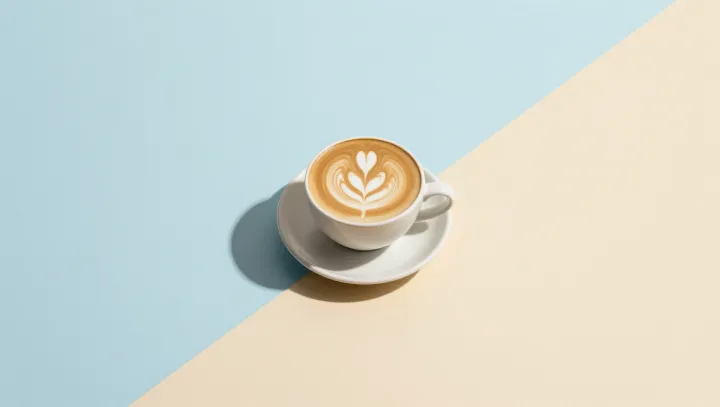
The Latte As A Sensory Interface
A latte in a ceramic cup acts as a pre-tasting interface, using light, shadow, weight, and surface temperature to bias neural expectations of sweetness, richness, and comfort before tasting.
2026-08-28
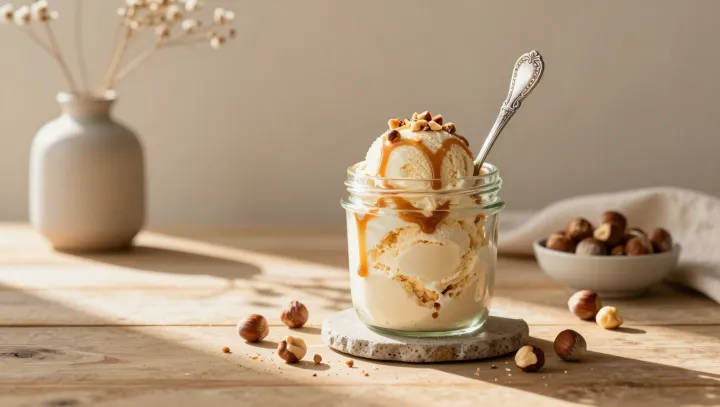
Why Nuts Make Caramel Taste Less Sweet
Caramel piled with nuts can register as less sweet because fat, texture contrast, and sensory adaptation reshape how the brain encodes sugar intensity.
2026-08-28