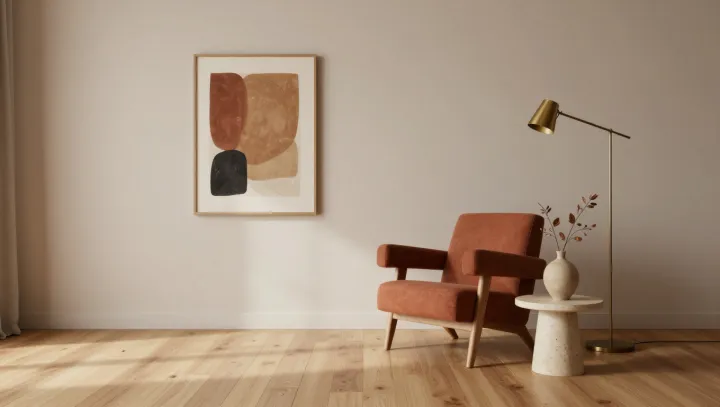
A cramped, quiet reading corner does more psychological heavy lifting than a dramatic New Year’s vow typed in all caps. That small, repeated setting exploits how the brain links context with autonomic shifts, turning one chair and one lamp into a conditioned signal for lowered cortisol and steadier heart rate.
Psychologists argue that willpower is a poor asset class. It fluctuates, it depletes, and under acute activation of the amygdala and hypothalamic–pituitary–adrenal axis, self-control behaves like a fragile stock in a panic selloff. A daily reading corner, by contrast, leans on procedural memory and classical conditioning: same place, similar posture, predictable sensory input. Over time, the nervous system learns that this micro-environment predicts safety and absorption, and shifts from sympathetic arousal toward parasympathetic dominance before the first page is turned.
The bolder the resolution, the more it depends on top-down executive control. Yet stress undercuts prefrontal cortex function, so the very system that must enforce the promise goes offline when pressure spikes. The humble nook sidesteps that bottleneck. It builds a closed-loop habit: cue, routine, reward, repeated until synaptic efficiency changes through long-term potentiation. No manifesto required. Just the same chair, the same quiet, and a brain that quietly rewires its own alarms.