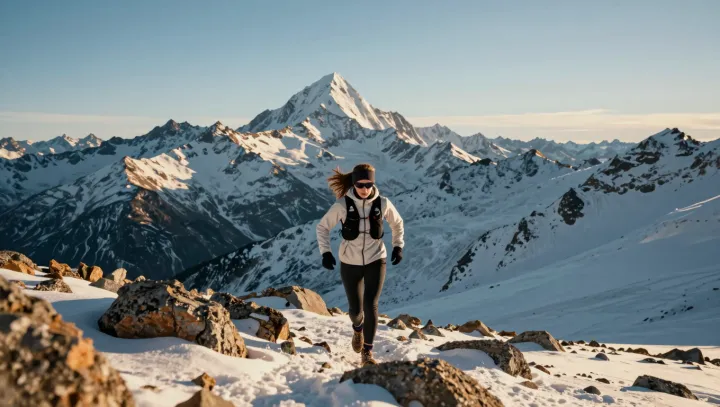
The ridge is a poor negotiator. Thin air does not merely reduce speed; through hypobaric hypoxia, it narrows the margin between purposeful work and an effort so costly that attention frays before the summit appears. Pride pays first. Recovery pays later.
Restraint, counterintuitively, is the hard skill. A climber who drives past the ventilatory threshold may keep moving, yet diminished oxygen delivery and rising cerebral fatigue can make route choices sloppy, while depleted glycogen delays recovery long after the legs stop burning. Slow down early. Acclimatization may soften the hit, but it does not repeal energy accounting: respiratory alkalosis, fluid loss, and suppressed appetite can turn an ambitious split into a deficit that compounds overnight.
That is the real bargain. Altitude rewards neither bravado nor a perfect-looking pace chart; it rewards the athlete who treats exertion as a rationed currency, spending enough to progress but never so freely that tomorrow's slope becomes a bill already overdue. The best ascent can look conservative from below. The mountain keeps accounts.