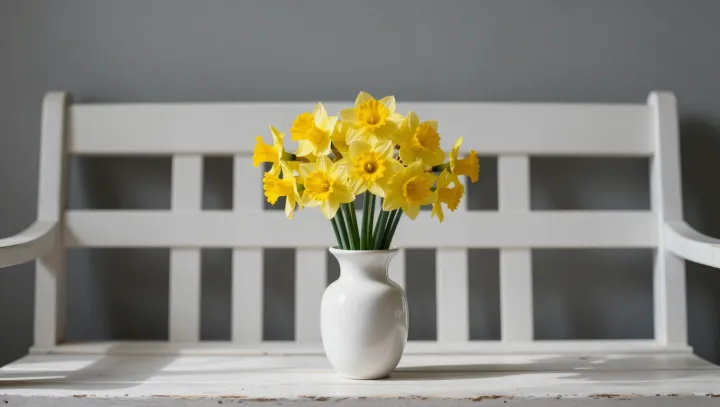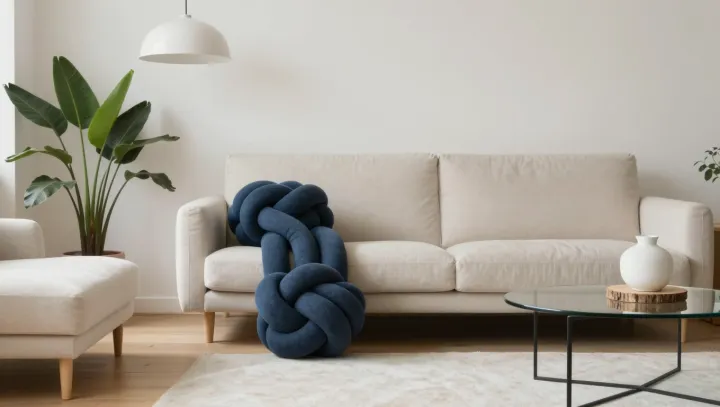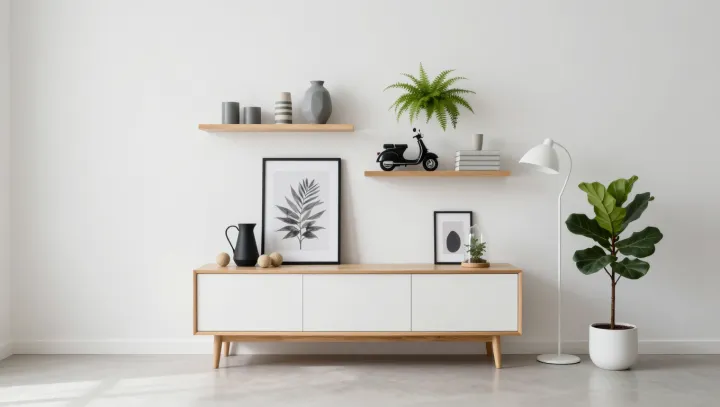
Natural accents make minimalism more generous, not less disciplined. A white room can appear flat when every surface reflects light in much the same way; introduce warm wood and a few leaves, and differences in grain, shadow and shape give the eye somewhere to rest. Less can feel abundant.
Texture does more work than another ornament. Wood grain adds variation without demanding a new color scheme, while foliage softens the hard edges of shelves and walls. In design terms, visual weight matters: a broad, dark planter can command more attention than a small pale one, even if both occupy the same shelf. Contrast needs a limit. A floating shelf with a few well spaced objects lets each shape register against the wall, rather than merging into a busy row.
Restraint is the difference between warmth and accumulation. Choose a consistent wood tone, leave stretches of shelf bare and give plants enough room for their silhouettes to stand apart. This use of negative space is not wasted space; it separates the elements that remain and makes their textures easier to notice. A single leafy branch may do more than a collection of small pots, particularly where the room already has strong lines. The aim is not austerity. It is a room in which the quiet surfaces still have something to say.