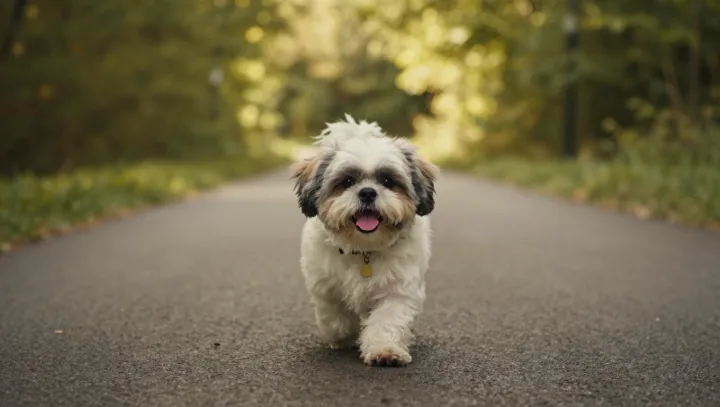
A falling temperature can be deceptive. Heatstroke may continue to damage a dog's organs after cooling begins, because excessive heat sets off inflammatory and clotting reactions that do not stop the moment the body cools. Panting is normal; relentless panting, weakness or collapse demands urgent action.
Speed beats watchful waiting. Move the dog into shade or air conditioning, pour cool water over its body and use a fan if available, while calling a veterinarian and arranging immediate transport. Keep cooling during the journey when possible. Offer small amounts of water only if the dog is alert and able to swallow; never force it to drink. Do not delay departure to take a temperature, and do not assume improvement means the danger has passed.
The damage can outlast the heat. Hyperthermia can injure cells and the lining of blood vessels, triggering systemic inflammation and disrupting blood clotting; reduced blood flow can compound injury to the kidneys, liver, brain and other organs. Even a dog that appears more comfortable may need monitoring, intravenous fluids and treatment for complications that emerge later. Cooling starts the rescue. At the clinic, the thermometer may fall while the body's reckoning has only begun.