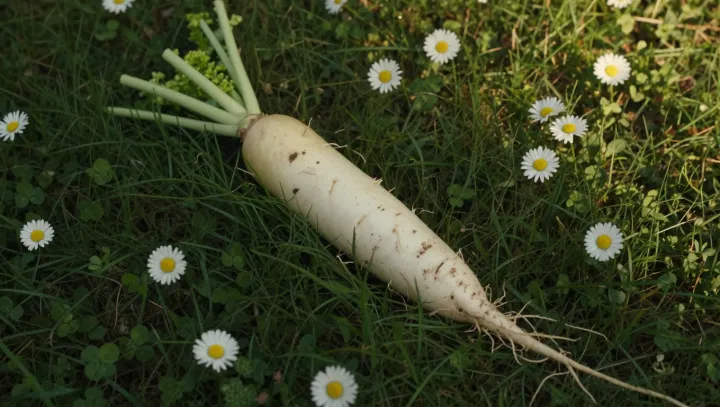
Grating daikon makes a sharper dish than slicing it. The difference is damage. A grater tears open far more cells, bringing ingredients together that were largely kept apart in the intact root. Their reaction produces some of the pungent compounds that give raw radish its peppery edge.
That bite is a kind of chemical defense, not a fixed feature of the root. When cells break, the enzyme myrosinase meets glucosinolates and helps convert them into compounds including isothiocyanates, some of which taste pungent. Cut matters. Thin slices can be crisp and gently peppery; a freshly grated mound can deliver a more insistent kick, although the intensity varies with the root and how it is handled. For a raw salad, slice daikon into matchsticks and dress it with citrus and oil. Grate it instead when a condiment needs a little heat.
Cooking changes the bargain. Heat inactivates myrosinase, while some pungent compounds dissipate or break down, leaving a milder, often sweeter impression. Texture changes too. Simmer chunks until tender in broth, or roast wedges until their edges brown; both methods trade raw crunch for softness. Pickling offers a different route: vinegar and salt bring their own sharpness to slices, even as the radish's bite changes. A single root can move from a bracing garnish to a quiet part of a warm dish. On the board, the choice begins with the blade.