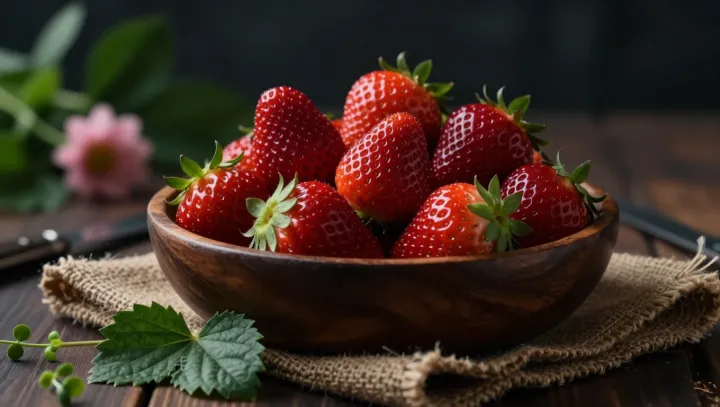
Strawberries can make a bowl of lentils work harder. Their vitamin C helps the body absorb more iron from plant foods when both are eaten in the same meal, turning a familiar fruit into more than a sweet finish. The pairing is practical, not magic.
The chemistry favors company. Iron in beans, lentils, tofu and leafy greens is largely nonheme iron, a form the body generally absorbs less readily than the heme iron found in animal foods. Vitamin C, also called ascorbic acid, helps convert ferric iron into the more soluble ferrous form and can counter some of the absorption-limiting effects of phytates, compounds found in many grains and legumes. A cup of sliced strawberries supplies roughly 98 milligrams of vitamin C, along with fiber, for about 53 calories. Those numbers make the fruit a useful addition to a meal, not a substitute for an iron source.
A good pairing need not be elaborate. Add strawberries to a spinach and chickpea salad, serve them alongside lentils, or scatter slices over oatmeal made with iron-fortified oats. The effect varies with the rest of the meal and the body's iron needs; tea and coffee consumed with food can reduce nonheme iron absorption. Eating strawberries cannot guarantee adequate iron, and persistent fatigue or suspected deficiency deserves medical attention rather than a dietary guess. On the plate, the small red fruit sits beside the lentils, making their quiet chemistry possible.