
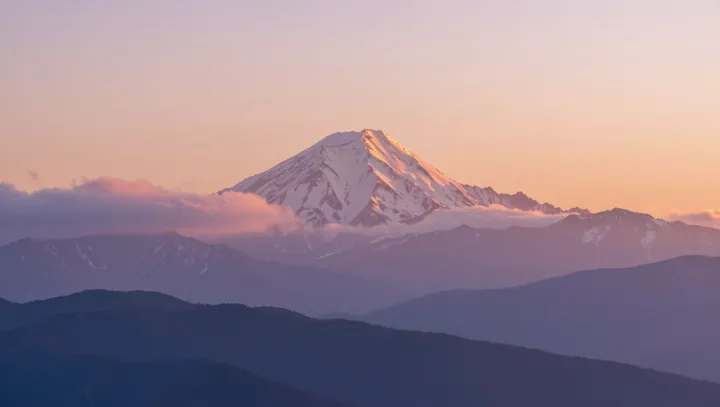
Why Dying Sunlight Makes Peaks Blaze
A snow summit can shine fiercest at sunset because long red wavelengths, reduced glare, and high‑albedo snow concentrate weak light into a visually intense glow.
2026-09-07
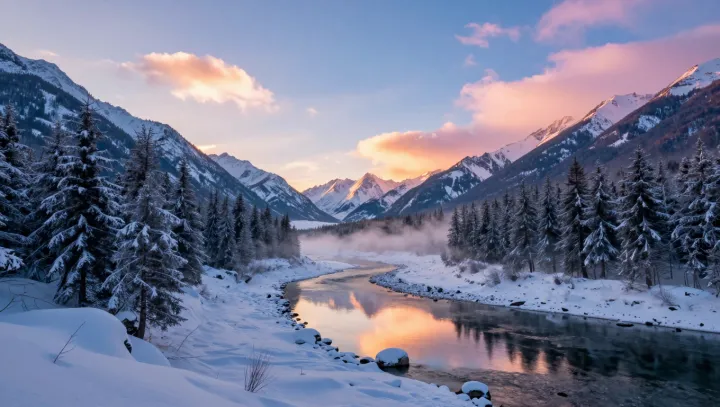
Why Valleys Glow Before the Sun Appears
A frozen alpine valley can glow in pinks and blues before the Sun appears because high-altitude air and ice redirect and filter solar light, separating colors through Rayleigh and Mie scattering.
2026-09-04
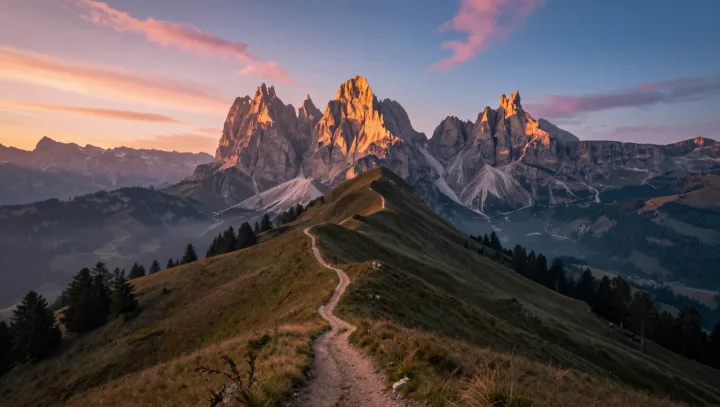
Why cold sunset light ignites stone
Low-angle, cooling sunlight can still drive fierce alpine color because of longer optical paths, selective atmospheric scattering, and mineral-specific reflectance on broken rock faces.
2026-09-04
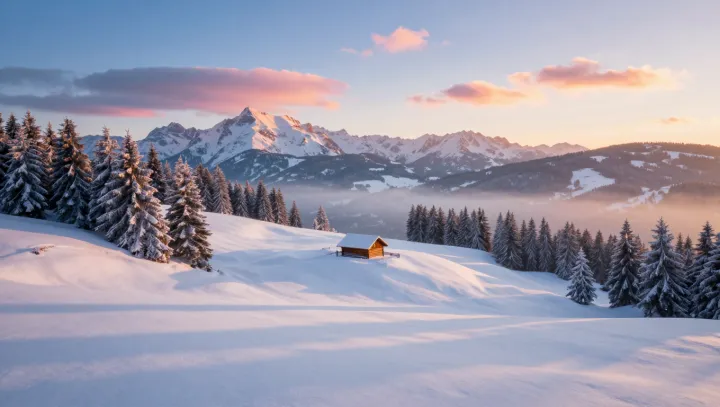
How A Tiny Cabin Beats Snowfield Cold
Explains how a small wooden cabin resists extreme snowfield cold through insulation, airtightness, thermal mass, and structural design against wind and frost heave.
2026-09-04
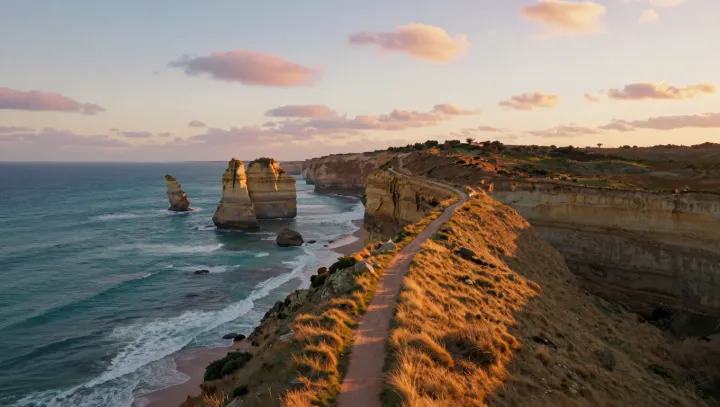
Golden Light, Hidden Corrosion
Soft golden light can betray subtle color bands, fractures and textures on sea cliffs, revealing that invisible seawater chemistry is quietly dissolving and undercutting the rock.
2026-09-03
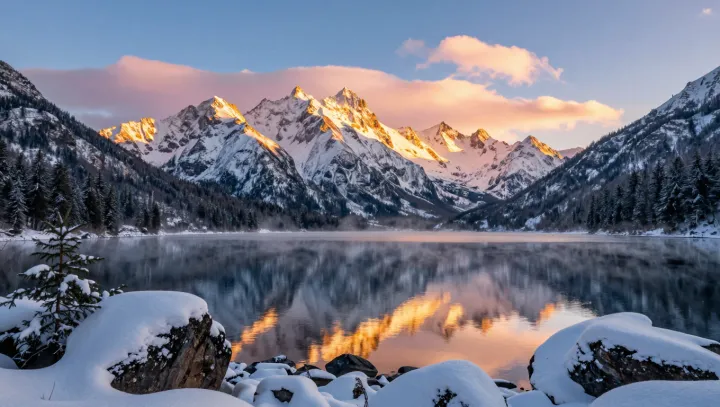
When A Lake Outperforms Its Mountains
At dawn, a calm lake can show mountains with richer color and sharper detail than direct sight because of polarized light, contrast compression, and human visual processing.
2026-09-02
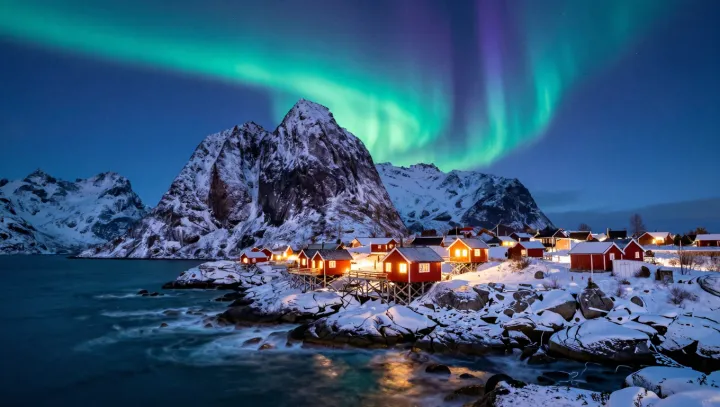
Aurora, diesel and a village that refuses dark
A remote Arctic fishing village survives polar cold with diesel generators and insulated grids while auroras, born from solar storms, turn its long nights into shifting light shows.
2026-09-02
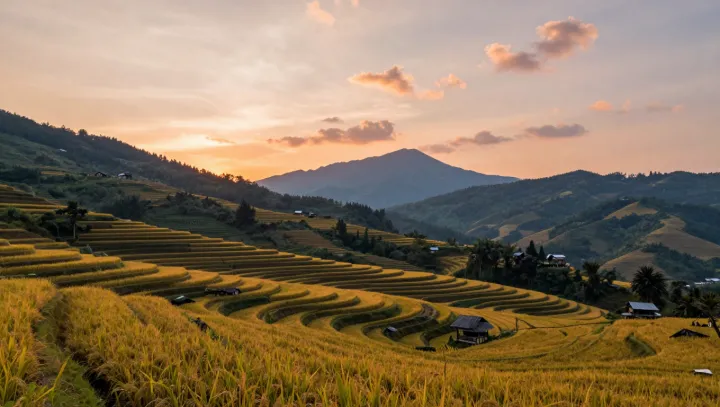
Terraced fields that multiply the sun
Terraced mountain fields act as stepped solar amplifiers, using slope angles and reflection to multiply light and heat from a low sun without any machinery.
2026-09-01
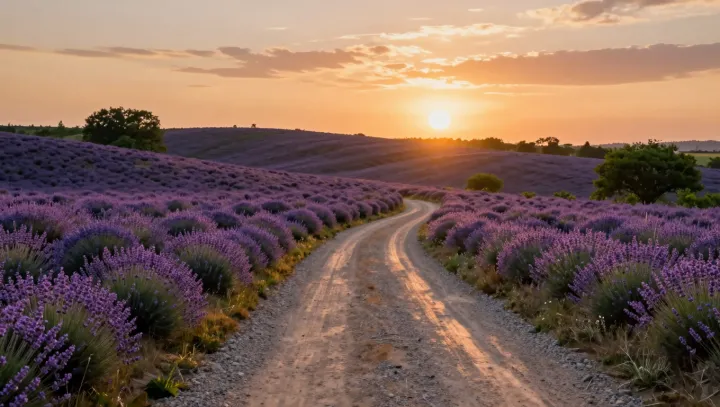
The still sunset that is not still at all
A seemingly motionless sunset above a dirt road and flowered hills is in fact a product of Earth’s rapid rotation, orbital motion, and human visual limits.
2026-09-01
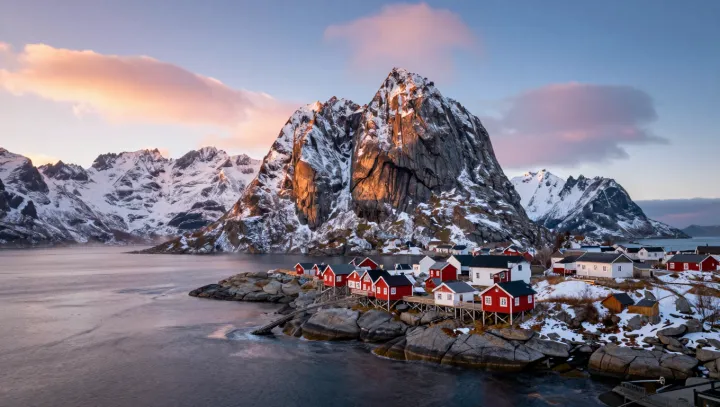
Fragile Fjord Village Under a Sheer Wall
A tiny fjord village appears fragile under a huge cliff, yet glacial physics, tsunami modeling, and strict hazard zoning explain why it can exist with managed, not illusory, safety.
2026-08-31
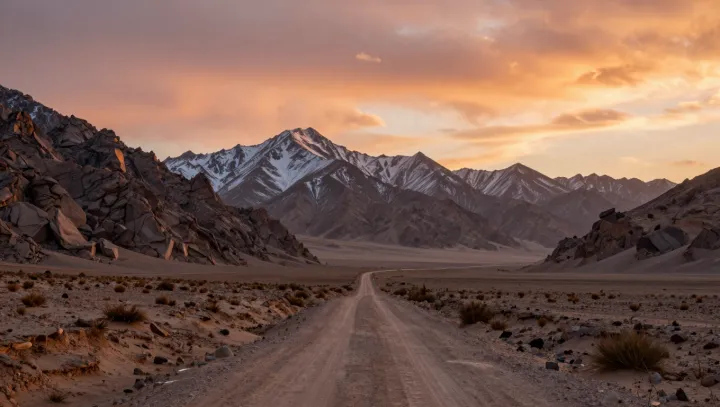
Shadow Pockets That Keep Desert Snow Alive
In hyper‑arid desert mountains, thin snow streaks persist as cold, shaded micro‑glaciers, protected by topography, low humidity, thin air and sublimation physics.
2026-08-31
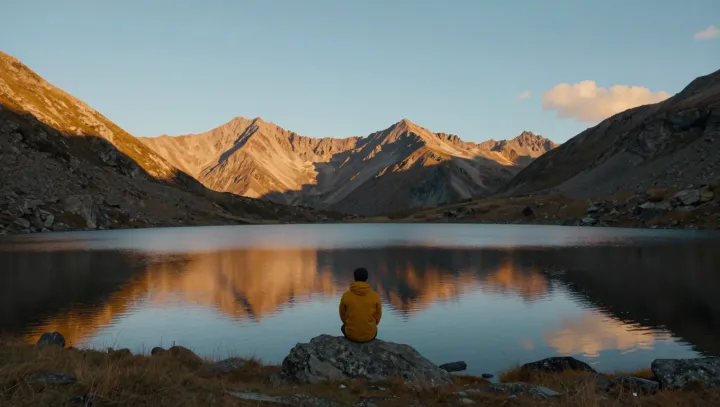
When Gray Stone Briefly Burns Like Gold
A low sun near the horizon makes gray rock, clear air, and colorless water flare into apparent molten gold through radiative transfer, spectral filtering, and surface reflection geometry.
2026-08-28
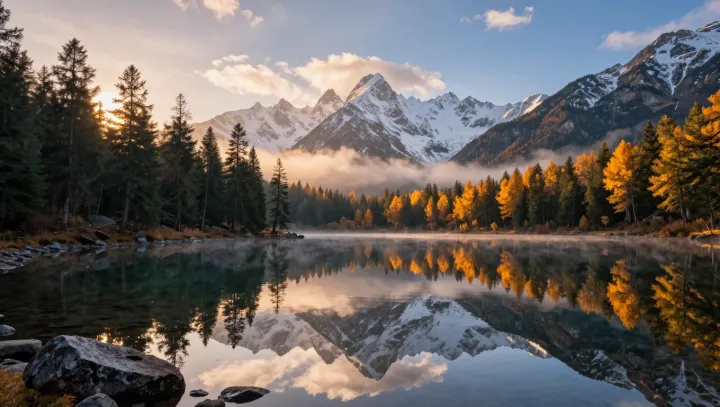
When a Perfect Lake Starts to Glitch
A seemingly flawless mirror-lake acts as a sensitive detector, exposing tiny distortions in air and water through optics, turbulence and surface tension.
2026-08-28
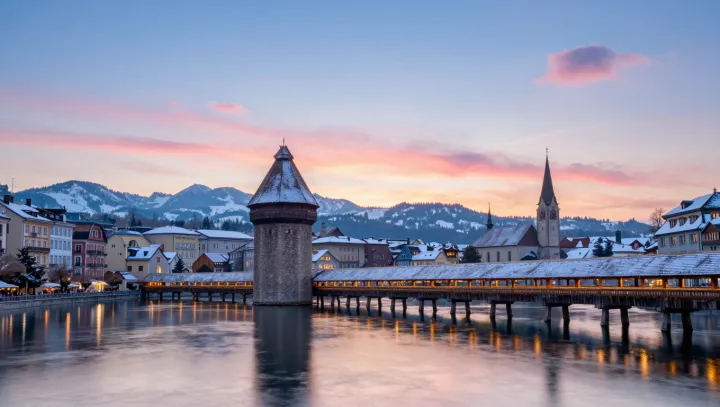
Lucerne’s Quiet Waterfront Advantage
Lucerne turns a low‑rise, billboard‑free medieval waterfront into a high‑yield tourism engine and quality‑of‑life magnet through scarcity, strict planning and curated calm.
2026-08-27
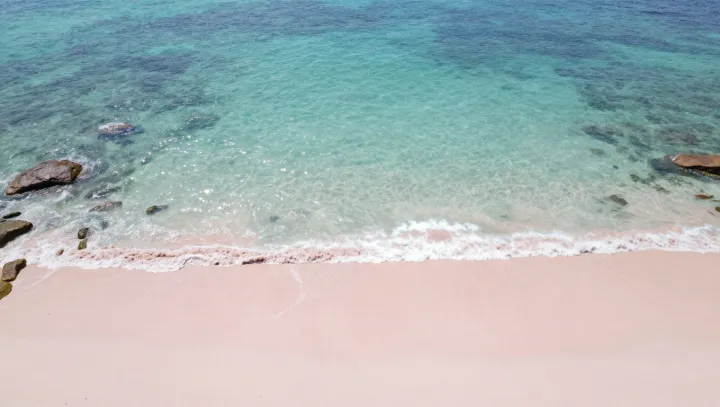
The physics behind pink tropical shores
Explains how foraminifera shells and coral fragments, via light scattering and selective transport, create genuinely pink beaches beside turquoise surf.
2026-08-27
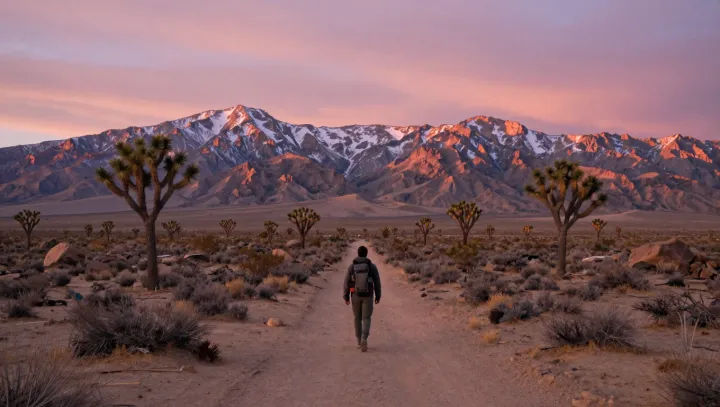
How Joshua Trees Hack Desert Heat
Joshua trees endure extreme desert heat and cold through specialized water storage, leaf anatomy, and physiological timing that let them outlast many neighboring species.
2026-08-27
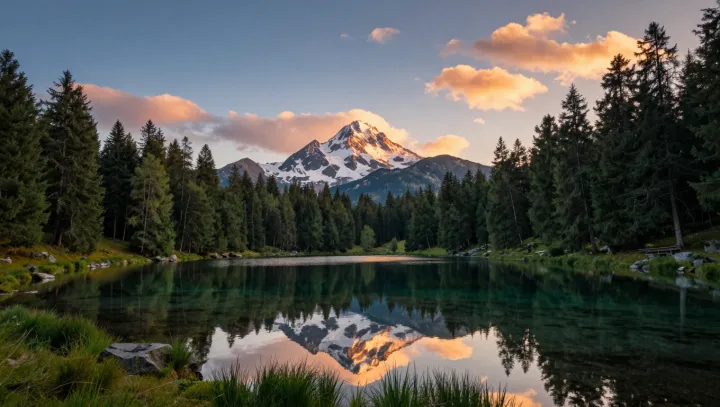
Why a restless lake can still mirror the sky
A lake looks like a perfect mirror not because its molecules are still, but because their random motion averages out while the flat surface enforces orderly, specular reflection of light.
2026-08-26
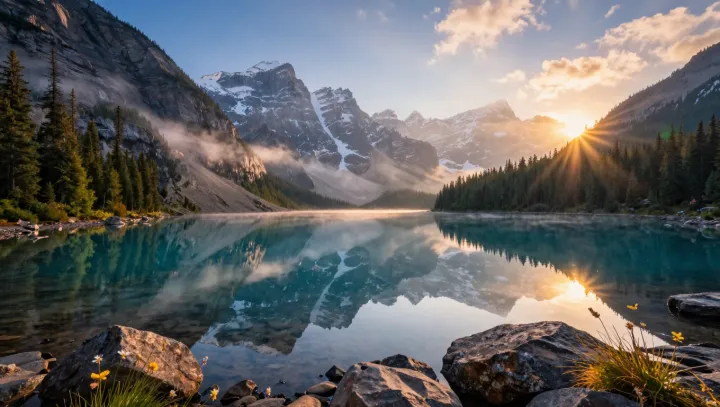
The Glass-Like Lake Built From Dust
A remote lake appears like liquid glass at sunrise because suspended rock flour scatters sunlight at precise angles, filtering red wavelengths and amplifying blue while flattening the surface into a near-perfect optical mirror.
2026-08-25
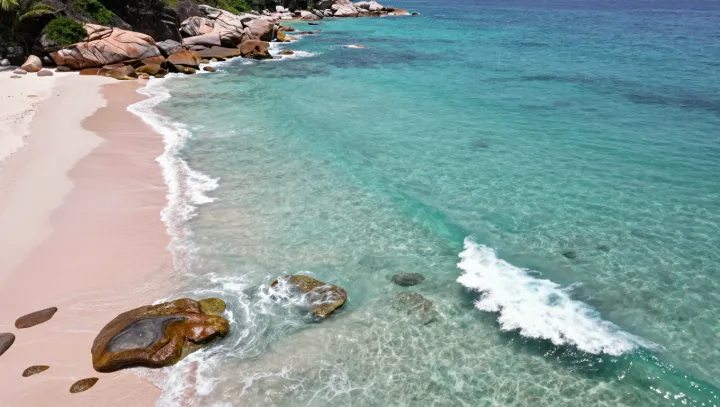
How Gentle Surf Builds A Pink Shore
Gentle waves use gravity, fluid drag and grain density to sort sand by size and color, slowly concentrating pink fragments into a distinct shoreline ribbon.
2026-08-24
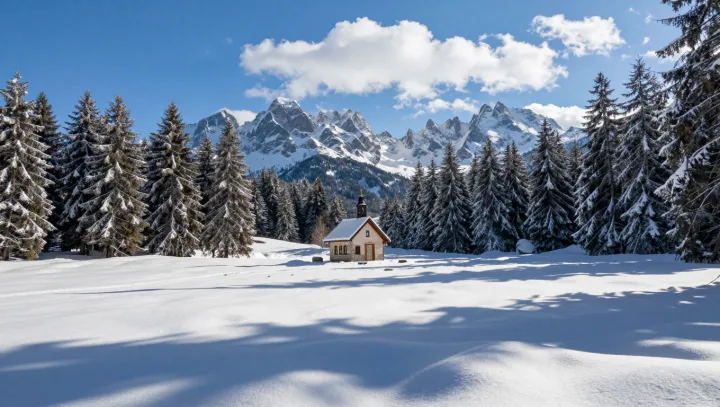
Why a fragile stone chapel refuses to crack
A small stone chapel endures intense freeze–thaw cycles by draining water, flexing at joints, and using sacrificial outer stone so the core shell stays stable.
2026-08-21