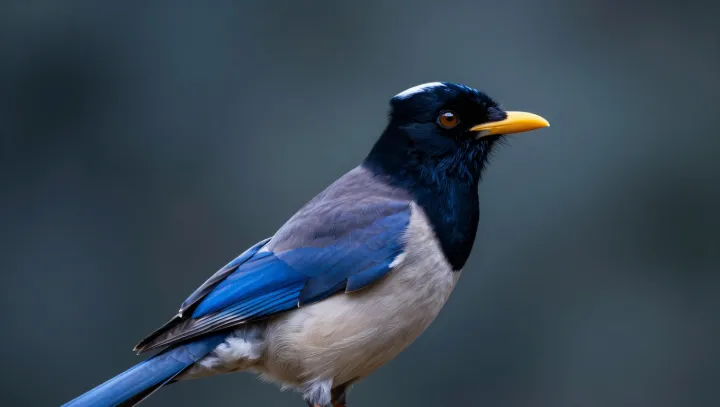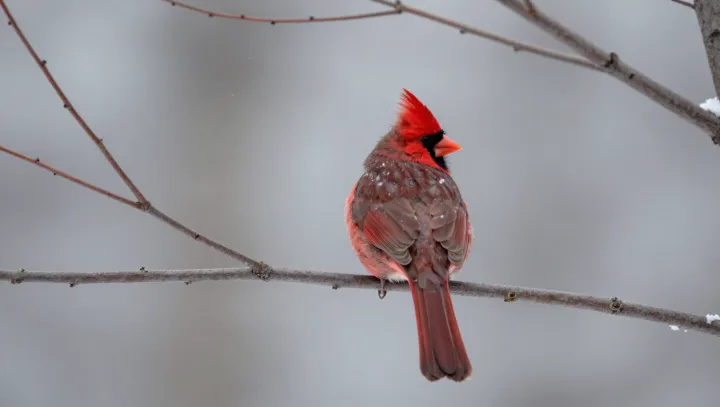
A cardinal's red is manufactured, not borrowed intact from its food. The male northern cardinal, with its crest and black facial mask, eats seeds and fruits containing yellow carotenoids; its body chemically alters some of those pigments before depositing them in growing feathers. The result is striking. The chemistry is less visible.
The transformation is an exercise in metabolic editing. Through a process called ketolation, enzymes add oxygen-containing chemical groups to certain yellow carotenoids, producing red ketocarotenoids that can color feathers. A gene called CYP2J19 has been linked to red pigment production in birds, though the precise contribution of individual enzymes in cardinals remains a subject for research. Diet sets the starting terms. A bird must obtain suitable pigments from food, absorb them and process them before its feathers finish growing.
Redness is a suggestive signal, not a health certificate. Producing and depositing pigments may depend on diet and physiological condition, and brighter plumage can sometimes be associated with better condition or attractiveness to mates. Yet genetics, feather wear, lighting and other factors complicate that reading; color alone cannot diagnose an individual bird. Winter adds another qualification. Feathers acquire their pigment during molt, so the red seen against snow reflects conditions when those feathers grew, not necessarily what the bird ate that morning. Against the pale ground, an earlier season still glows.