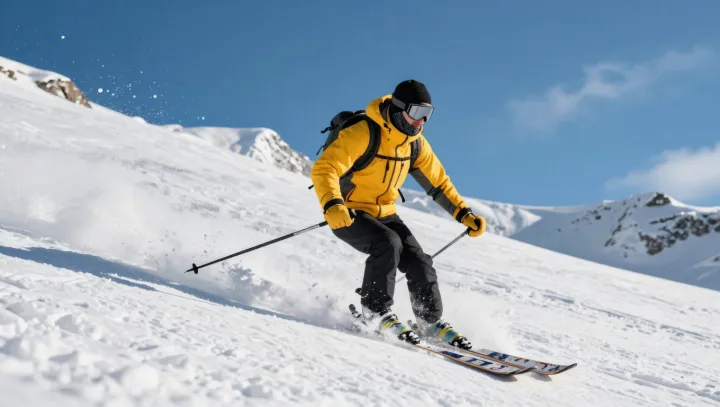
Snow can make a painless day deceptive. By reflecting ultraviolet radiation toward the eyes, it adds exposure to light arriving directly from the sky, leaving the cornea vulnerable even when the cold air feels gentle and nothing seems wrong. The bill arrives later.
The delay is no mystery. Snow blindness, a form of photokeratitis, begins when ultraviolet radiation damages cells on the surface of the cornea, the transparent tissue covering the front of the eye. Inflammation develops after exposure, and symptoms can take several hours to emerge: pain, tearing, light sensitivity and a gritty sensation. Height adds risk because the thinner atmosphere filters less ultraviolet radiation. Clouds offer no reliable guarantee of safety, either. The injury is usually temporary, with symptoms often resolving within a day or two, although severe or persistent symptoms warrant medical assessment.
Protection is a better bargain than endurance. Sunglasses or goggles that block both UVA and UVB radiation, fit closely and limit light entering from the sides can reduce exposure; a brimmed hat adds another layer of defense. If symptoms appear, move indoors, remove contact lenses and avoid rubbing the eyes. Seek medical care for severe pain, worsening vision or symptoms that do not improve. The mountain may already be out of sight when its light makes itself felt.