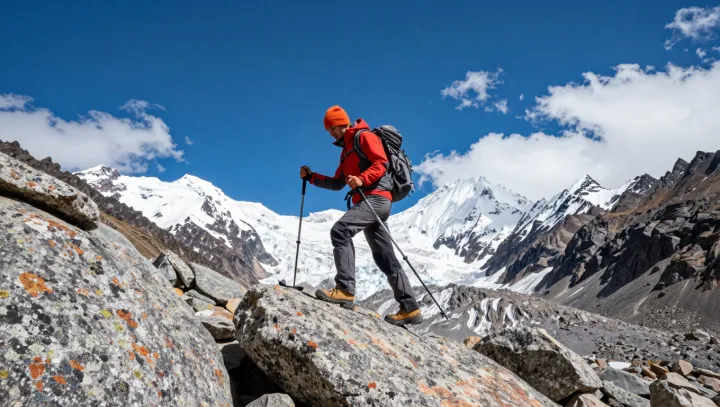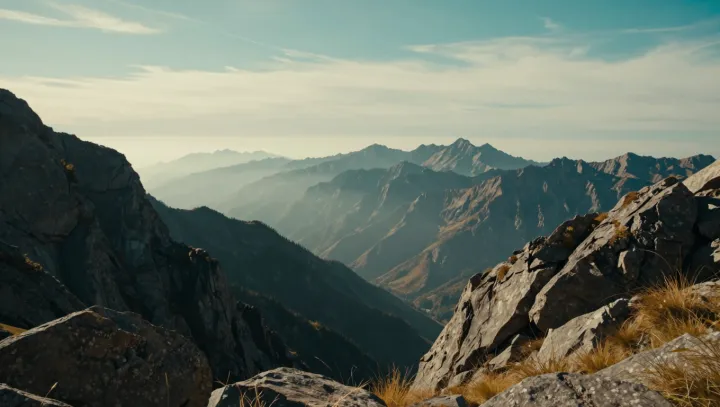
Erosion can lift mountains. That sounds like a contradiction until the weight of rock enters the picture: as rivers, ice and gravity carry material away, the crust beneath a range can rise in response. The apparent paradox lies in the distinction between rock moving upward and a summit gaining height.
The mechanism is isostasy, the gravitational balance that makes the crust float on denser mantle rock. Remove some of the load, and the crust rebounds, much as a boat rises when cargo leaves its hold. The comparison has limits. The lithosphere bends and spreads the response across a region, while the mantle flows slowly beneath it. Rock uplift can therefore continue even where erosion is lowering the surface. A peak need not grow taller for rock within it to move upward.
Jagged peaks owe as much to selective destruction as to uplift. Glaciers cut steep hollows into mountainsides, rivers carve valleys, and frost helps fracture exposed rock; together, these processes can sharpen ridges while removing vast quantities of stone. Tectonic forces also matter, building and lifting ranges as erosion attacks them. Whether a particular summit rises or falls depends on the balance between surface lowering and uplift, and that balance varies across a range. The rebound rarely replaces every layer stripped away. Against the haze, a ridge can look immovable while its rock rises and its summit wears down.