
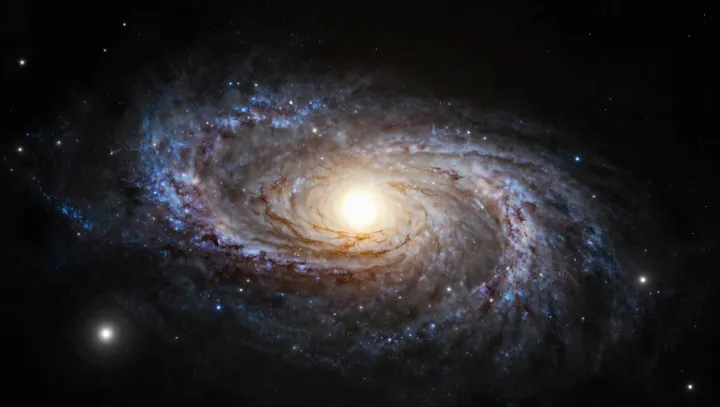
Why Spiral Galaxies Keep Their Graceful Arms
Spiral galaxy arms are not rigid structures but density waves that move through rotating stars and gas, keeping the pattern intact instead of winding up.
2026-09-07
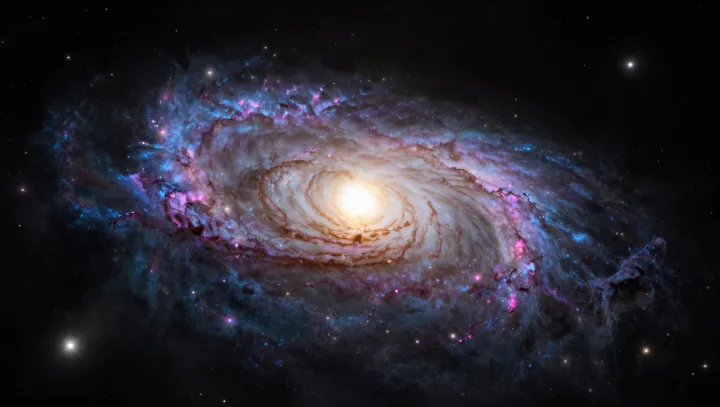
Galaxy maps that exposed dark energy
High‑precision galaxy surveys revealed that cosmic expansion accelerates as if driven by a constant vacuum energy density, now called dark energy, though theory still lacks a coherent explanation.
2026-09-07
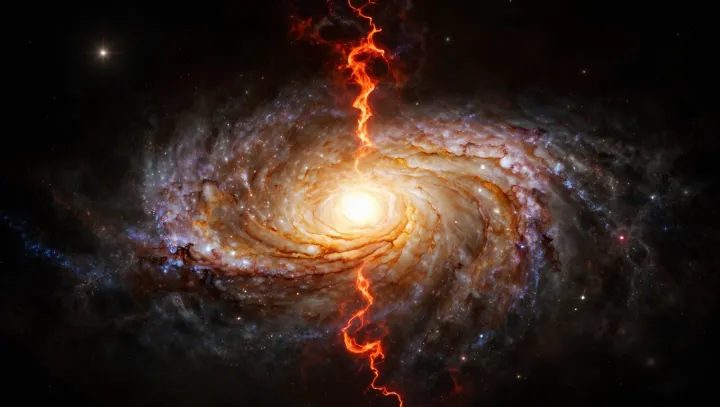
The quiet power at a spiral galaxy’s core
A supermassive black hole in a calm spiral galaxy core sets orbital speeds, throttles star formation and steers future mergers through gravity, feedback and dark matter coupling.
2026-09-07
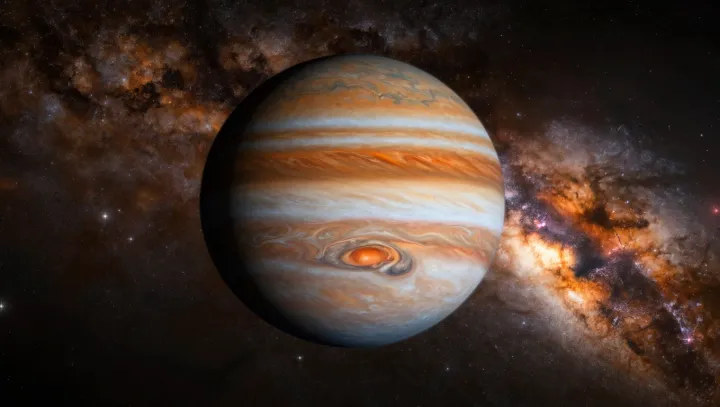
Why Jupiter’s Great Red Spot Refuses To Die
Jupiter’s Great Red Spot endures because deep energy sources, fierce shear zones, and weak friction in a dense atmosphere keep feeding and shaping the giant storm.
2026-09-04
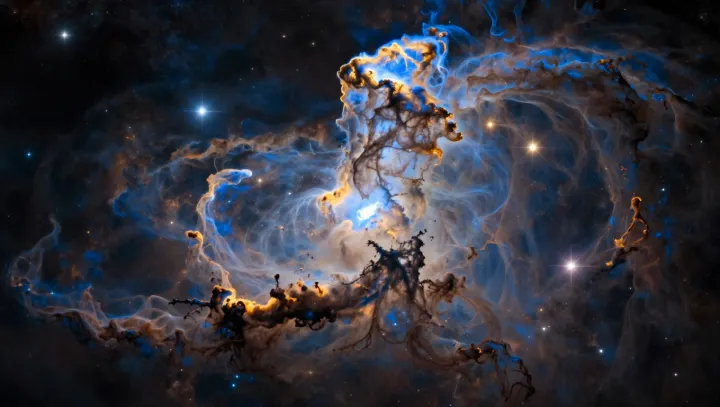
Cold Dust, Hot Stars Inside a Nebula
Cold, dense dust pillars inside bright nebulae act as insulated cradles where gravity, radiation pressure, and magnetic fields combine to ignite some of the hottest, most massive young stars.
2026-09-04
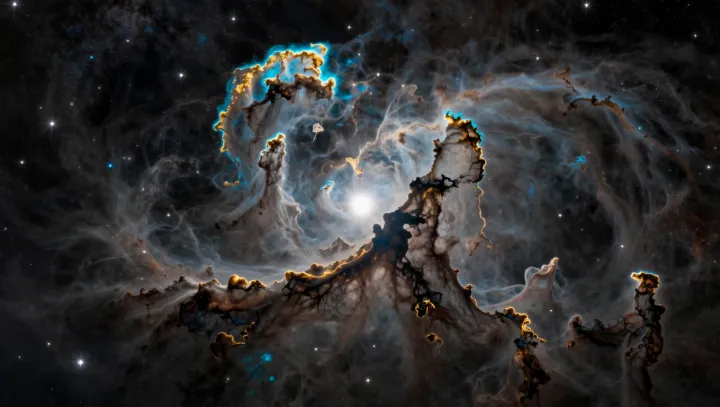
How Young Stars Chisel Giant Nebular Pillars
Newborn massive stars, though tiny beside their nebulae, emit intense ultraviolet light and fast stellar winds that ionize, compress, and erode surrounding gas, carving long pillars that shield dense cores and reveal gradients in radiation pressure.
2026-09-04
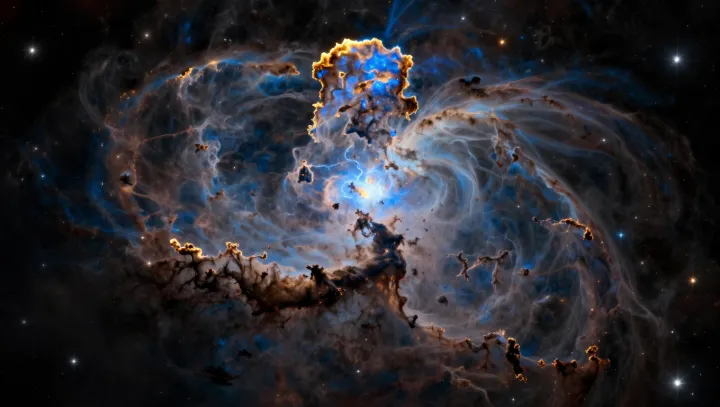
Ghostly gas pillars that build new stars
The piece explains how extremely thin gas pillars in space, shaped by radiation and shock waves, slowly gain density until gravity overwhelms pressure and triggers star formation.
2026-09-03
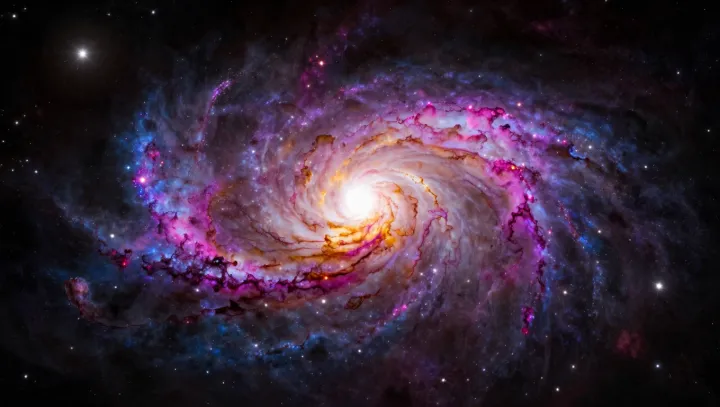
The Golden Pinwheel Traffic Jam
A serene spiral galaxy is not a quiet disk but a rotating traffic jam where gravity, not crashes, organizes billions of stars that almost never touch.
2026-09-03

When Small Asteroids Unleash Planet-Scale Power
An asteroid only a few kilometres wide can outblast all nuclear weapons through impact physics, yet such city-killing strikes are statistically so rare that no human has seen one.
2026-09-02
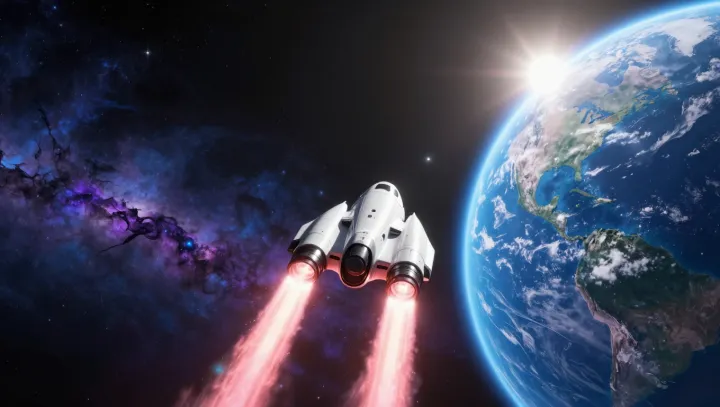
What it takes to sprint near light speed
A near‑c ship near Earth would demand fusion‑class propulsion, extreme shielding, autonomous fault management and new materials just to avoid being shredded by dust, heat and radiation.
2026-09-02
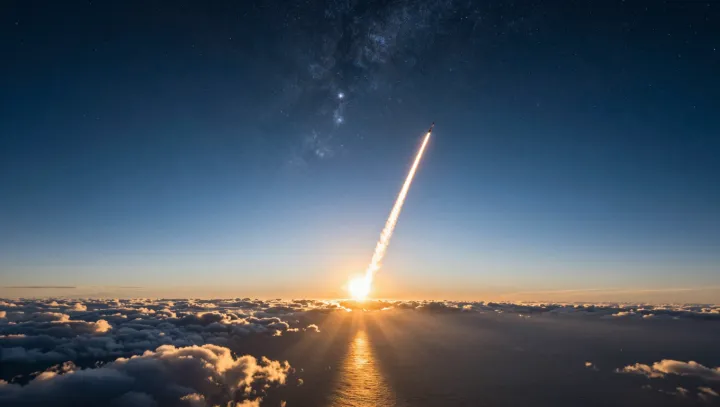
When A Car-Sized Rock Outshines Bomb Tests
A small meteoroid, no larger than a car, can trigger an airburst that rivals major explosive tests, as kinetic energy converts to heat, shock waves and light in the upper atmosphere.
2026-09-01
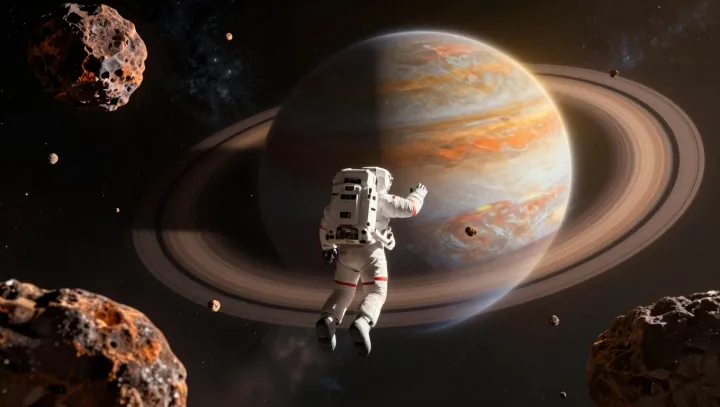
Floating Alive Between Stone And Storm
Report on how one astronaut could survive near asteroids and gas giants by using orbital mechanics, predictive shielding, and sensor driven avoidance against high velocity debris.
2026-09-01
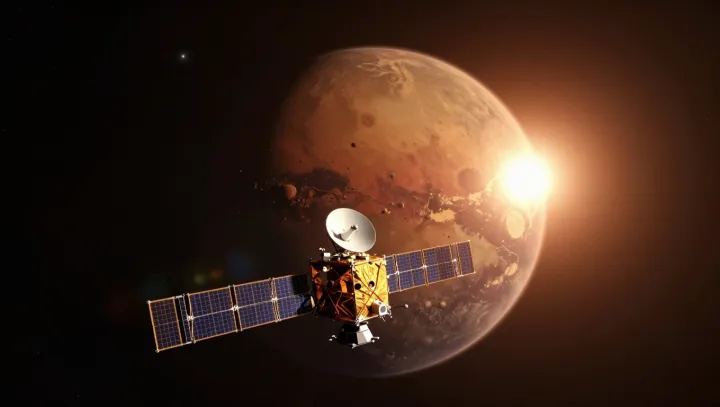
How a Star-Hugging Craft Stays Cool
A star‑skimming spacecraft survives and generates power through a carbon‑composite heat shield, aggressive thermal management, and carefully angled solar arrays that sip energy while dodging brutal light.
2026-09-01
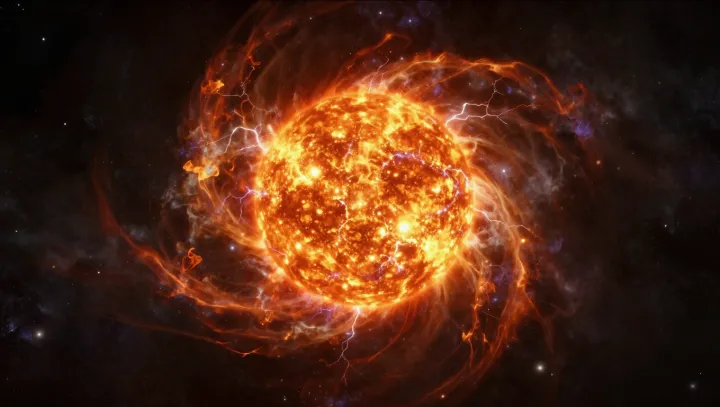
Why the Sun Looks Like a Clean, Solid Disk
A star that can strip atoms still looks like a neat disk because of plasma structure, optical depth, and limits of human vision and instruments.
2026-09-01
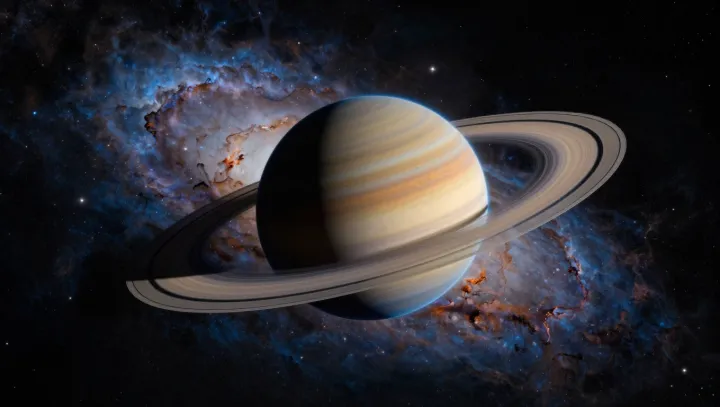
How a Rogue Planet Wears a Bright Ring
A rogue planet can preserve a structured, bright ring through residual heat, frozen ices, and trapped debris, even without the glare or gravity of a nearby star.
2026-09-01
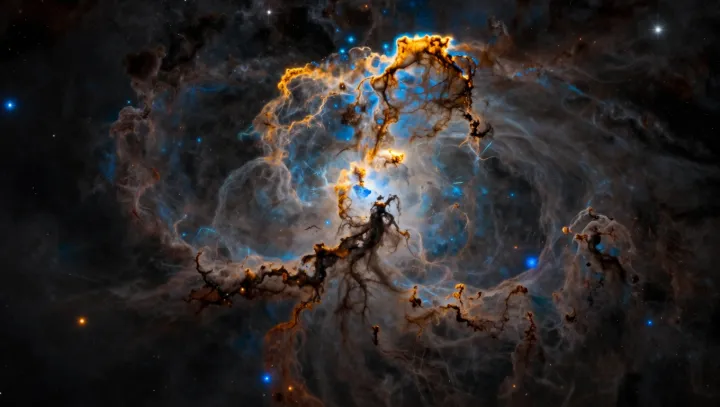
Why Ghostly Gas Can Outshine Stars
An extremely rarefied nebula can still outshine millions of stars because each atom is energized by violent radiation and shocks, turning the cloud into a vast fluorescent light.
2026-08-31
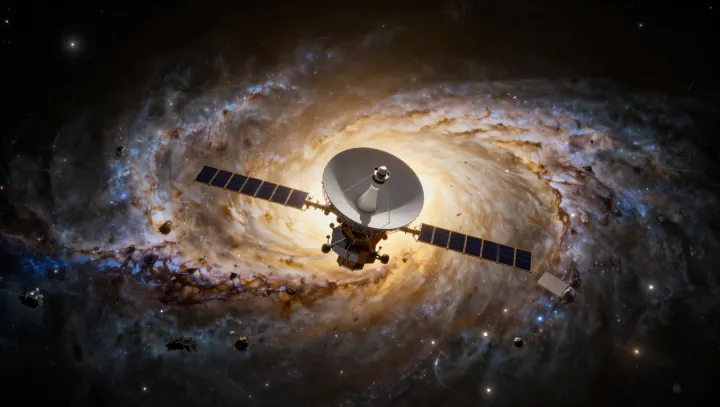
Why the Moon is 'Natural' but Rockets Aren't
Astronomers separate a natural Moon from engineered spacecraft not by gravity, but by origin, intent and information content embedded in their trajectories.
2026-08-31

Why Rockets Climb On Fire In Empty Space
Explains how a rocket rises on a column of exhaust by ejecting mass and conserving momentum, not by pushing on the ground or on air.
2026-08-31
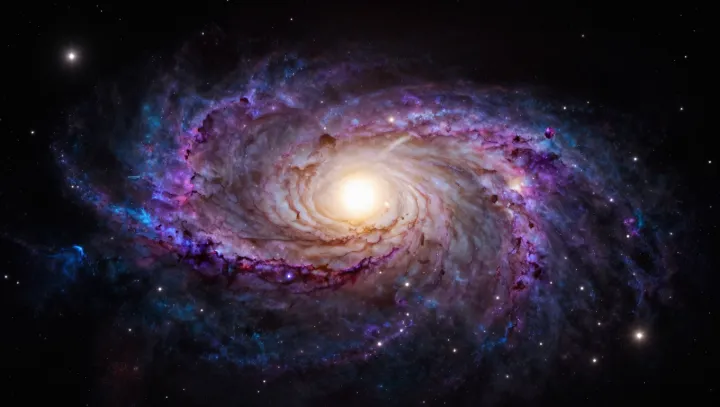
Dark Halos That Hold Spiral Galaxies
Spiral galaxies stay intact because massive, invisible dark matter halos stabilize rotation and amplify density waves that shape their elegant arms.
2026-08-31
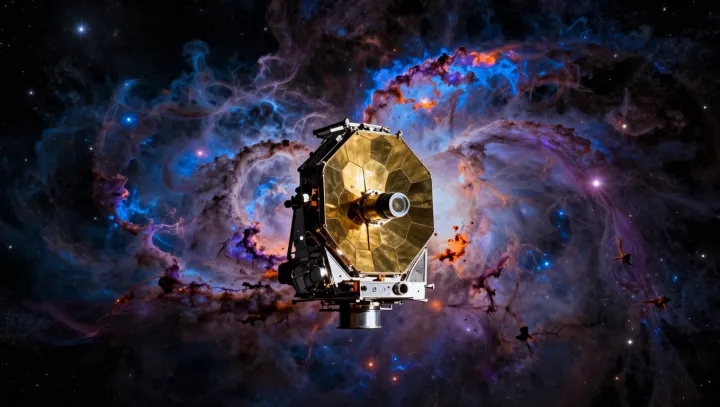
Why a Gold Space Telescope Looks Back in Time
Light travels at a finite speed, so a gold-mirrored space telescope records ancient photons from distant galaxies, capturing them as they were when the light left, not as they are now.
2026-08-28